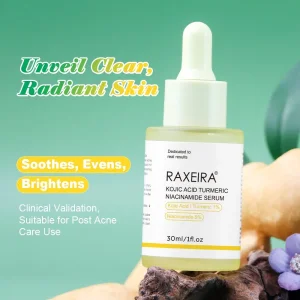
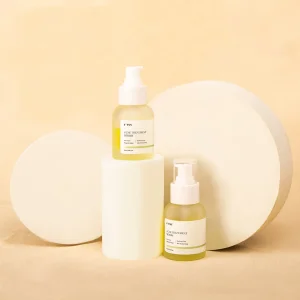
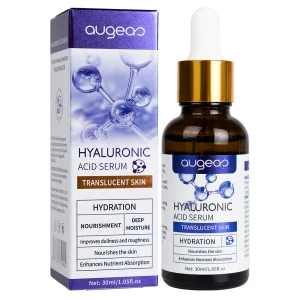
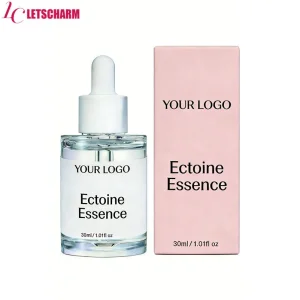
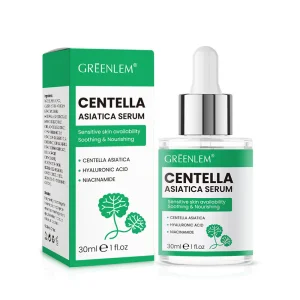
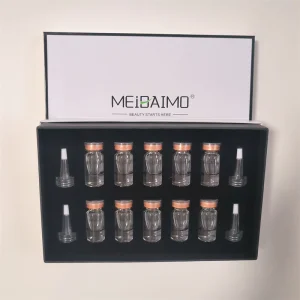
Explore our clinically tested, high-efficacy formulations engineered for hyper-sensitive, damaged, and recovering skin barriers. Available for private label, custom formulation, and global bulk export.
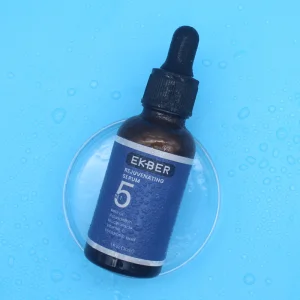
The global cosmetics and dermatological market is undergoing an unprecedented paradigm shift. Driven by environmental stressors, changing lifestyles, and an increase in the usage of aggressive chemical peels, the global prevalence of self-diagnosed sensitive skin conditions has risen to over 60-70% in female and 50-60% in male demographics across major global markets. As a result, B2B procurement demands for face creams and serums have pivoted. Corporate buyers, regional importers, and digital brands are no longer seeking basic moisturizing products; they require sophisticated, biocompatible barrier-repair solutions that satisfy modern consumers' demand for clean, clinical, and transparent skincare.
Modern buyers demand clinical efficacy backed by clean toxicology reports. Formulations must exclude parabens, sulfates, synthetic fragrances, and common allergens, replacing them with bio-identical barrier lipids and botanical adaptogens.
Stricter cosmetic regulations, such as the US Modernization of Cosmetics Regulation Act (MoCRA) and the EU Cosmetic Products Notification Portal (CPNP), require suppliers to hold comprehensive stability records, heavy metal tests, and clinical safety reports.
Sourcing active ingredients from certified geographical origins (such as Centella Asiatica, Ectoin, and specialized peptides) guarantees formulation stability and batch-to-batch consistency for global distribution networks.
For enterprises looking to scale their operations, partnering with a supplier that maintains direct, vertically integrated control over raw material procurement, formulation chemistry, and quality management is a strategic necessity. Guangzhou NeoKis Beauty Co., Ltd. addresses these systemic challenges by acting not merely as a manufacturer, but as a long-term research partner offering scalable ODM/OEM solutions, robust regulatory documentation, and reliable global logistics.
Sensitive skin is characterized by a disrupted stratum corneum, characterized by depleted intercellular lipids (ceramides, cholesterol, and free fatty acids), altered pH levels, and a compromised microbiome. Standard cosmetic creams often fail because they rely on occlusive barriers (such as heavy mineral oils) that temporarily mask symptoms without resolving underlying physiological issues. Our scientific approach focuses on Corneotherapy—a dermatological methodology aimed at repairing the skin barrier, maintaining cutaneous homeostasis, and protecting the skin microbiome.
Ectoin forms a highly stable hydration shell around biomolecules, protecting cells from dehydration, UV-induced damage, and inflammatory stressors, ensuring long-term cellular health.
Utilizing a precise 3:1:1 ratio of Ceramides, Cholesterol, and Free Fatty Acids to mimic the natural intercellular matrix, facilitating rapid lipid integration and barrier restoration.
Integrating prebiotics and postbiotics that support the growth of beneficial microflora (such as Staphylococcus epidermidis) while discouraging pathogenic strains.
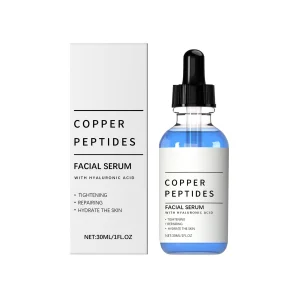
Our research and development pipeline integrates advanced bio-actives like PDRN (Polydeoxyribonucleotide), a tissue-regenerating compound derived from salmon DNA that promotes cellular repair, and Copper Peptides (GHK-Cu), which stimulate collagen and elastin synthesis without triggering the redness or irritation associated with retinoids. Additionally, we utilize liposomal encapsulation and freeze-drying techniques to stabilize volatile active ingredients (like L-Ascorbic Acid) within sensitive skin-safe environments, ensuring therapeutic-level delivery without sacrificing skin comfort.
Guangzhou NeoKis Beauty Co., Ltd. operates a state-of-the-art production complex designed to meet the rigorous demands of pharmaceutical and premium cosmetic brands. Our facility features advanced cleanroom environments with Class 100,000 purification standards, ensuring every formulation is mixed, homogenized, and packaged in a sterile environment. From automated emulsifying equipment to precision high-speed filling lines, our machinery is selected to minimize biological risk and maximize formula stability.
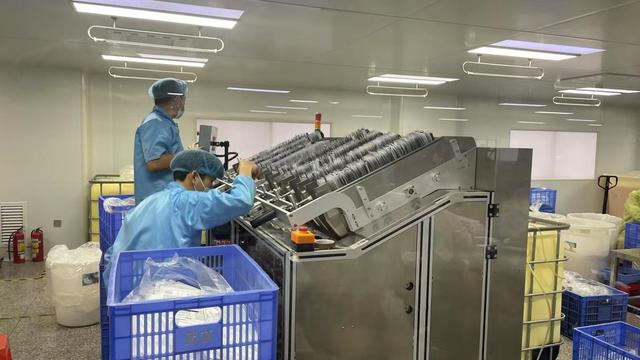
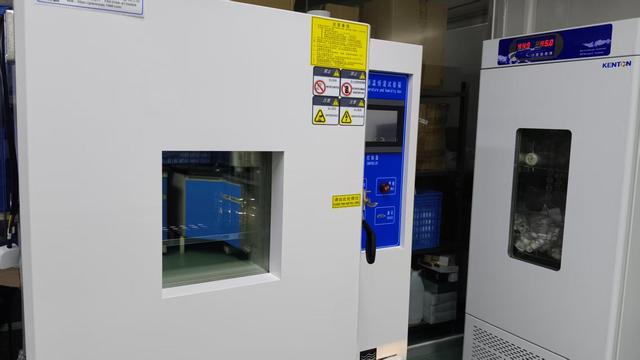
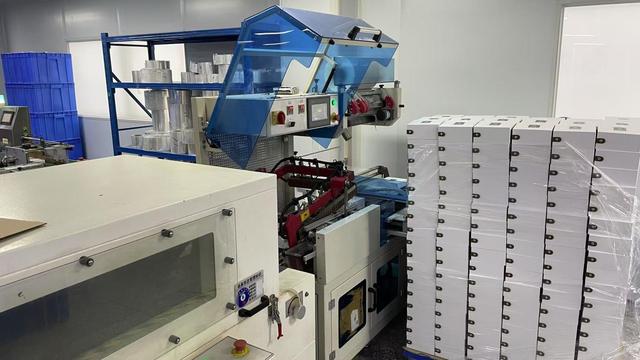
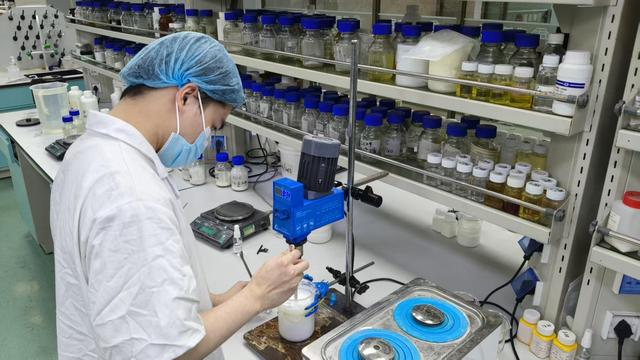
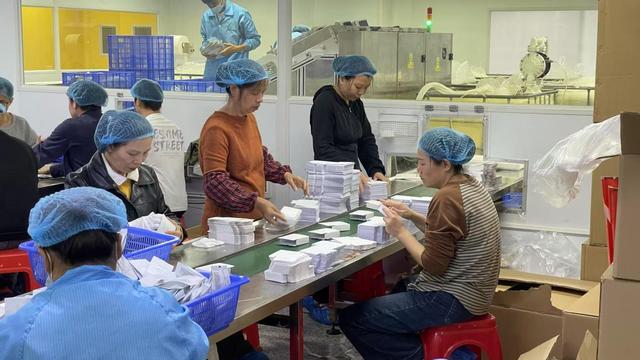
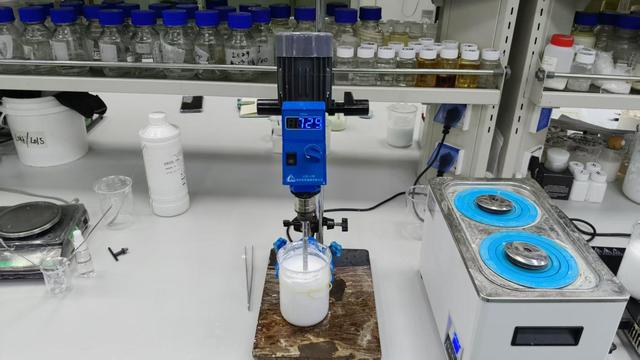
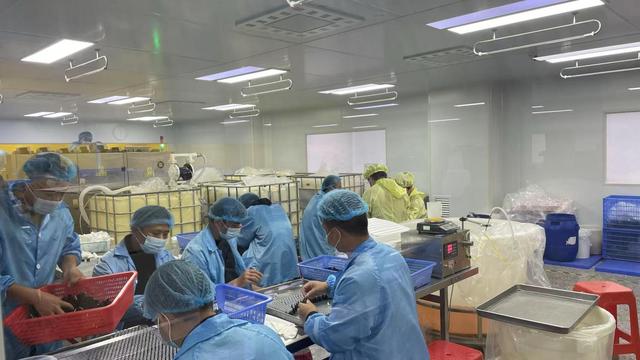
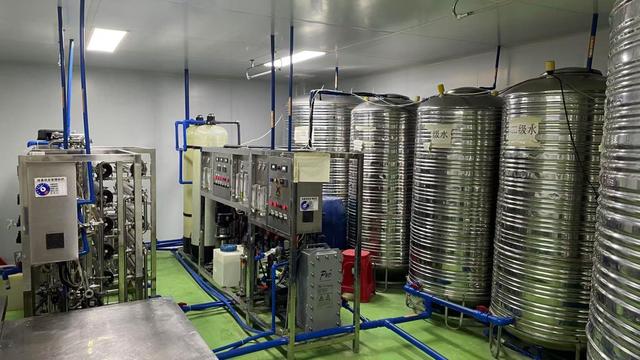
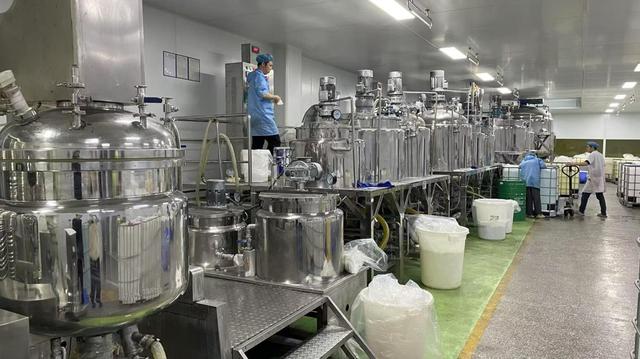
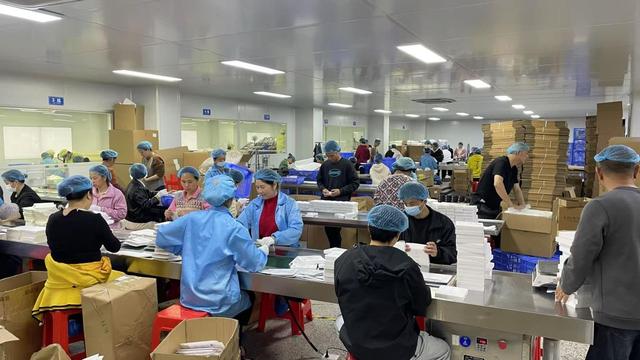
Every batch of raw ingredients undergoes strict quarantine and testing protocols before entering our production flow. Our quality assurance protocol covers:
Navigating international trade barriers and complex cosmetic regulations is one of the primary friction points for global beauty brands. Guangzhou NeoKis Beauty Co., Ltd. provides comprehensive global trade services that streamline entry into North American, European, Asian, and Middle Eastern markets.
Our products are registered with the US FDA's VCRP, and our facilities are optimized for MoCRA compliance, including adverse event reporting systems, listing assistance, and safety substantiation.
We compile comprehensive Product Information Files (PIFs) and support EU-based Responsible Persons (RP) in registering formulations in the Cosmetic Products Notification Portal.
We hold certifications that assist in registrations with the Saudi Food and Drug Authority (SFDA), China NMPA, and health departments throughout ASEAN nations.
Our localization support includes packaging and label design translation, compliance audits for ingredient nomenclature (INCI), and cargo consolidation to minimize international shipping costs. Whether you are a digital startup or a multi-national retailer, our regulatory team handles the details of compliance so you can focus on brand equity and market penetration.
Critical formulation, production, and shipping details compiled for international brand directors, purchasing officers, and distributors.
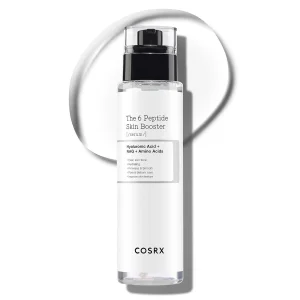
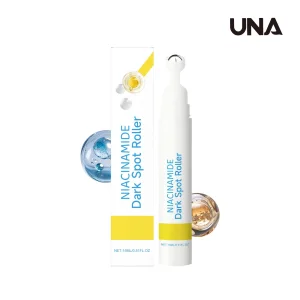
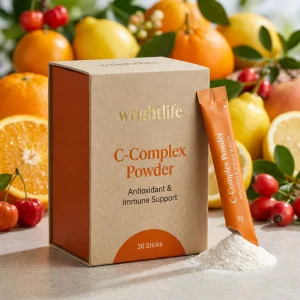
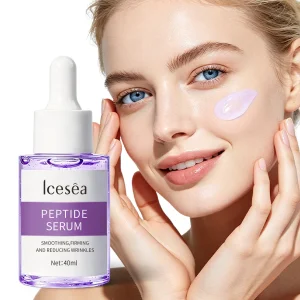
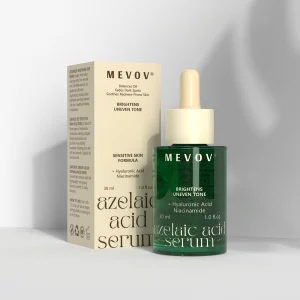
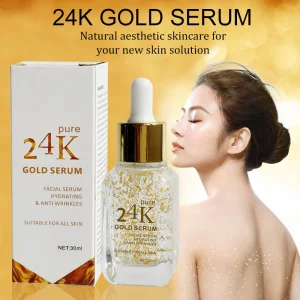
Select from our range of targeted peptide, vitamin, and acid formulations designed for rapid absorption and physiological barrier support.
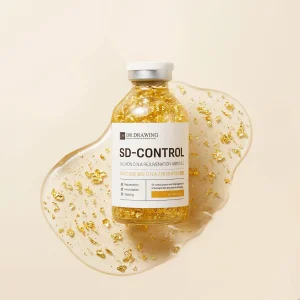
 NeoKis Beauty