Why is My Facial Serum Not Working Top 10 Reasons to Know?

Time:2026-06-30 Author:Madeline
0%

Understanding why your skincare products are not delivering expected results can be frustrating. Many users ask, "why is my facial serum not working?" A study from the International Journal of Dermatology reveals that 70% of consumers experience dissatisfaction with their skincare. Factors contributing to this issue often stem from product formulation, application techniques, or skin type mismatches.

One common mistake is applying too many products simultaneously, which can hinder absorption. The use of incorrect serums can also lead to irritation or ineffective results. Additionally, environmental factors, such as climate and pollution, can impact how well a serum performs.

To address these concerns, it's essential to reassess your skincare routine. Consider consulting with a dermatologist for tailored advice. Recognizing your skin's unique needs is vital. Remember, not every product works for everyone, and reflection on your current choices can lead to better results.
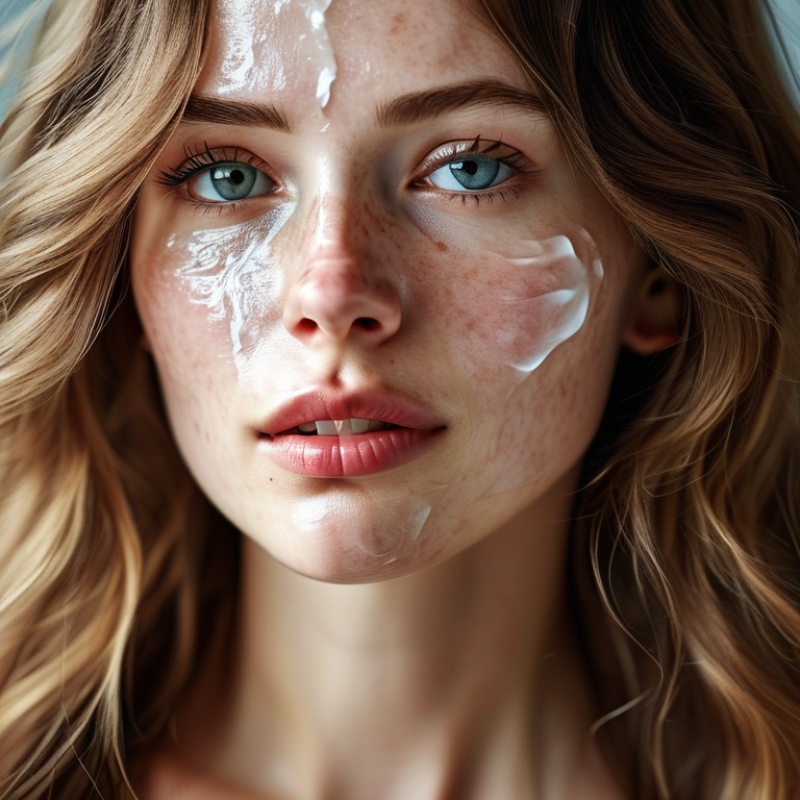
Why is My Facial Serum Not Working Top 10 Reasons to Know?

Understanding the Basics of Facial Serums and Their Functionality

Facial serums are concentrated formulations aimed at delivering essential vitamins and active ingredients to the skin. They penetrate deeper than moisturizers, targeting specific skin concerns. Understanding how they work is crucial for effective skincare. These products often contain antioxidants, peptides, and hyaluronic acid, each serving unique purposes. However, they cannot work miracles overnight.

Many factors can affect a serum's effectiveness. Using it incorrectly can diminish results. For instance, applying a serum on dry skin may limit absorption. Moreover, the skin's pH can impact ingredient effectiveness. Some individuals may not see immediate results due to underlying issues, like improper skin type matching. Consistent application is key; it may take weeks to notice changes.

Not all serums suit everyone. Ingredients may cause sensitivity or breakouts for some users. It's vital to patch-test before full application. Environmental factors, like pollution and sunlight, also play a big role in skin health. These barriers can hinder the serum’s efficacy over time. Being aware of these aspects fosters a realistic approach to skincare.

Common Mistakes in Application That Can Affect Serum Efficacy

When your facial serum seems ineffective, the application process often plays a crucial role. Many users overlook essential steps that can reduce efficacy. According to a recent industry report, improper application techniques can diminish serum absorption by up to 60%. This statistic serves as a wake-up call for skincare enthusiasts.

One common mistake is applying serum on dry skin. Serums work best on slightly damp skin, as moisture helps in better penetration. A study shows that hydration enhances ingredient absorption by 40%. Always apply serum right after cleansing and toning. This ensures the active ingredients deliver maximum benefits.

Another mistake is using too little product. Many users underestimate the amount needed for optimal results. Experts recommend using a pea-sized amount for the entire face. Additionally, layering products without allowing time for absorption sabotages effectiveness. Give each layer a moment to sink in.

It might take trial and error to find what works. Remember, even the most well-formulated serum can fail if the application isn't right. Pay attention to these details for the best results.

How to Choose the Right Facial Serum for Your Skin Type

Choosing the right facial serum for your skin type is crucial for achieving desired results. The global skincare market is expected to reach over $180 billion by 2024, highlighting the growing interest in effective products. However, not all serums are created equal. Different serums target specific issues like hydration, aging, and pigmentation. Understanding your skin type is the first step.


For oily skin, look for serums with lightweight formulas. Products with salicylic acid can help control oil and prevent breakouts. Dry skin types may benefit from serums containing hyaluronic acid. This ingredient helps retain moisture. Data shows that these targeted ingredients can increase skin hydration by up to 20% within just a few hours.


Also, consider your skin's sensitivity. Ingredients like fragrance can irritate sensitive skin, making the product less effective. A study found that 30% of users experienced irritation with scented products. Ensuring your serum aligns with your skin's needs can prevent wasted time and resources. Remember, a product might not work for you if it doesn't suit your unique skin profile.

The Role of Ingredients in Serum Performance and Skin Compatibility

When it comes to facial serums, the role of ingredients is crucial for performance and skin compatibility. A study published in the Journal of Clinical and Aesthetic Dermatology highlights that 60% of skin issues arise from using incompatible products. Active ingredients like hyaluronic acid, vitamin C, and peptides claim to boost skin health. However, if your skin doesn’t respond, it could be due to formulation mismatches.

Consider this: pH levels and skin type dramatically affect how active ingredients perform. For example, an acidic serum may irritate sensitive skin. A survey by the American Academy of Dermatology revealed that over 50% of users experienced sensitivity when using high-pH products. This suggests that ingredient balance is key. Patch testing new serums on a small area of skin can reveal potential issues before applying them to your entire face.

Additionally, remember that serums require time to show effects. Clinical studies indicate that visible results may take 4-6 weeks depending on the product. This inconsistency challenges many users. It’s important to maintain a routine, but also reassess if the selected serum continues to underperform. Sometimes, a change in formulation or ingredient might just be what your skin needs.

Environmental Factors That Can Impact Serum Effectiveness

Environmental factors play a significant role in the effectiveness of facial serums. Pollution is a major concern. High levels of pollutants in the air can hinder a serum's absorption. This limits its benefits. A buildup of dirt and grime on your skin can also block important active ingredients.


Humidity and temperature can affect how well a serum works. High humidity may dilute the product, making it less concentrated. Cold weather can dry out your skin, leaving serums ineffective. Sun exposure causes damage that interferes with absorption. Additionally, indoor heating can lead to dryness and sensitivity. This environment stresses your skin.


Lifestyle habits matter too. Stress levels can impact your skin's health. Allergens in your environment can lead to irritation. Poor diet affects your skin's vitality. Regular exposure to harsh conditions without proper care can lead to frustrating results. You might wonder why your serum isn't delivering results. Reflecting on these environmental aspects can offer clarity.

FAQS

: What are facial serums?

: Facial serums are concentrated formulas that deliver essential vitamins and active ingredients to the skin.

How do serums penetrate the skin?

They penetrate deeper than moisturizers, targeting specific skin concerns effectively.

Why is correct application important?

Improper application can diminish serum absorption by up to 60%.

How should I apply serum for best results?

Apply serum on slightly damp skin right after cleansing for optimal absorption.

How much serum should I use?

A pea-sized amount is generally recommended for the entire face.

What if my serum doesn’t seem effective?

It may be due to incorrect application techniques or skin type mismatch.

How can I choose the right serum?

Identify your skin type and target specific issues like hydration or aging when selecting a serum.

Are all serums suitable for everyone?

No, ingredients can cause sensitivity or breakouts in some users.

Could environmental factors affect serum performance?

Yes, pollution and sunlight can hinder serum effectiveness over time.

How long will it take to see results?

Consistent use is key; it may take weeks to notice changes.

Conclusion

Understanding the reasons behind "why is my facial serum not working" is essential for anyone looking to enhance their skincare routine. This article outlines key factors that can affect the efficacy of your facial serum, beginning with the basics of how serums function and the importance of proper application techniques. Common mistakes, such as applying serums on dirty skin or layering them incorrectly, can significantly hinder their effectiveness.

Moreover, selecting the right serum for your skin type and understanding the role of ingredients are crucial steps in ensuring their performance. The article also addresses environmental factors, such as humidity and pollution, that can impact how well a serum works. By being aware of these aspects, you can optimize your skincare regimen and truly benefit from the serum you choose.

Madeline

Madeline

Madeline is a dedicated marketing professional with a wealth of expertise in our company's core offerings. With a keen understanding of the industry, she brings a unique perspective to her role, consistently delivering high-quality content that highlights the superior aspects of our products. As......