When it comes to skincare, the order of product application matters greatly. Understanding how to layer skincare products properly can significantly enhance their effectiveness. Each product serves a unique purpose, and applying them in the correct sequence helps maximize benefits.
Many people struggle with product layering. They often mix hydrating serums with oils, reducing effectiveness. It's essential to know that lighter products should be applied first. This creates a foundation for heavier creams and treatments. Not everyone achieves perfect results right away. It takes time to find the right combination for your skin type.
Skin varies from person to person. What works for one individual may not work for another. Don’t be discouraged by trial and error. Embrace the learning process. Start simple, observe reactions, and gradually introduce new products. This method leads to a more personalized skincare routine, ensuring you get the most out of your regimen.
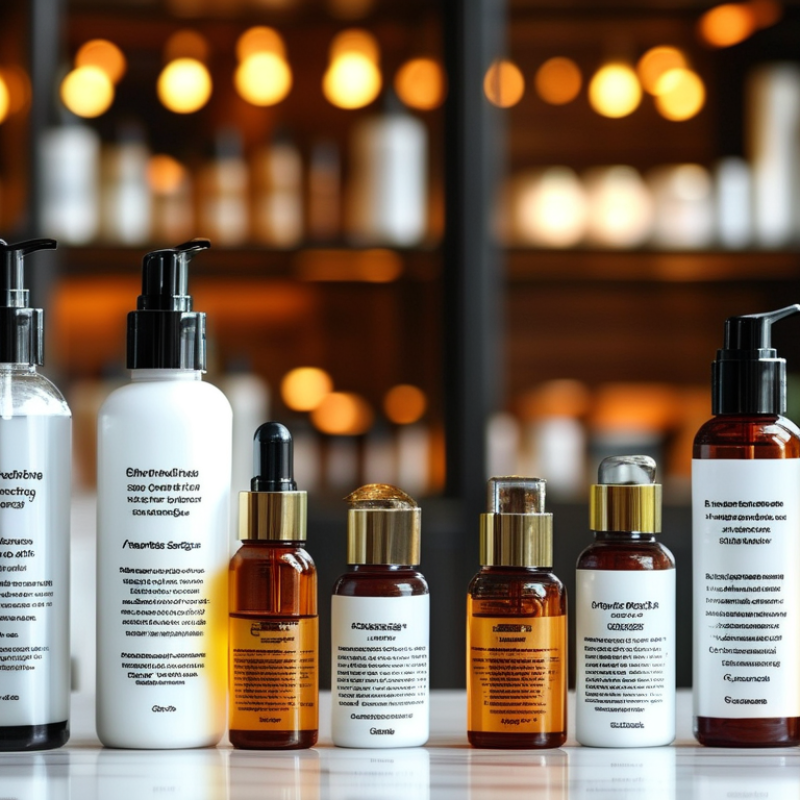
Layering skincare products effectively is crucial for achieving desired results. Start with a clean face. This is the foundation of any good skincare routine. Use a gentle cleanser to remove dirt and oil. Pat your skin dry with a soft towel to avoid irritation.
When layering products, remember to apply from thinnest to thickest. Begin with serums. These are typically water-based and should be applied first. Follow with a moisturizer to lock in hydration. The final step should be sunscreen during the day. This protects your skin from harmful UV rays.
Tips: Pay attention to your skin's response. Sometimes, combining too many products can cause irritation. If redness or breakouts occur, simplify your routine. Also, always allow each product to absorb fully before applying the next. This ensures optimal benefits from each layer. Keep in mind that not every product works for every skin type. It’s essential to experiment and adjust as needed.
Understanding your skin type is essential for effective skincare. Dry, oily, combination, and sensitive skin each have unique needs. Identifying your skin type helps in selecting the right products.
For example, dry skin craves hydration. It often feels tight and may show fine lines. In contrast, oily skin can shine throughout the day. It may be prone to breakouts, requiring products that balance oil production. Combination skin combines both oily and dry areas, making it a bit trickier to treat.
Sensitive skin reacts easily. It may feel itchy or red after using certain products. Knowing these characteristics helps in creating an effective layering routine. Also, watch for skin changes. A product that worked well might not suit your skin anymore, reflecting the need for continuous assessment. Pay attention to how your skin feels after using a product. If irritation occurs, reconsider your choices. Skincare should adapt to your skin’s evolving needs.
This chart illustrates the recommended percentage usage of various skincare products for optimal results. According to skincare experts, layering products in the right order can enhance their effectiveness and improve overall skin health. Cleansers should form the foundation of your routine, while serums play a crucial role in targeted treatment. Moisturizers hydrate, and sunscreens protect your skin.
Properly layering skincare products ensures their effectiveness. The order of application matters significantly. According to the American Academy of Dermatology, applying lighter formulas first allows deeper penetration of active ingredients. Start with cleansers to remove impurities. This prepares your skin for subsequent products.
Moisturizers should follow serums. Their thicker consistency provides a barrier that locks in hydration and beneficial ingredients. A study published in the Journal of Clinical and Aesthetic Dermatology highlights that the right layering can improve absorption by up to 70%. Layering products based on their consistency is vital for achieving optimal results.
Tip: Always wait a few minutes between layers. This helps each product settle and absorb into the skin effectively.
Remember that everyone's skin is unique. Some products may not work well together. It's essential to test and adjust your routine based on how your skin responds. A skincare layering routine may require patience and experimentation. Don't be discouraged by initial feelings of imbalance as you find what works best for you.
Choosing the right products for layering is crucial for healthy skin. Start by assessing your skin type. Are you oily, dry, or combination? Each type needs specific ingredients. For instance, oily skin benefits from lightweight gels, while dry skin requires richer creams.
Look for key ingredients. Hyaluronic acid is excellent for hydration. Antioxidants like vitamin C brighten the skin. On the other hand, retinol can help with aging. However, be cautious with retinol; it may cause irritation if overused. You’ll want to gradually introduce powerful actives to prevent skin sensitivities.
Pay attention to texture and order. Thicker products should go last. Consider using a hydrating toner before serums. Layering incorrectly can hinder results and lead to breakouts. Personalize your routine based on your skin’s feedback. Remember, it’s a journey—some trial and error is normal as you find what works best for you.
Layering skincare products effectively can significantly enhance your routine's overall impact. Studies show that approximately 60% of individuals do not apply products in the correct order, which can reduce efficacy. For optimal absorption, start with the thinnest textures, like serums, before moving to thicker creams. This order allows lighter formulas to penetrate the skin more deeply, maximizing their benefits.
Adding a hydrating toner can further elevate your routine. According to a survey conducted by the Skin Health Alliance, 72% of dermatologists recommend using a toner as it prepares the skin for subsequent products. A well-formulated toner can enhance moisture retention, ensuring that your skin feels nourished. However, not all toners are created equal. Some contain alcohol or irritating ingredients, which can lead to dryness and discomfort.
Finally, don’t overlook the importance of timing. Many antioxidants, such as Vitamin C, are most effective when applied in the morning. Yet, they can degrade when exposed to light. Therefore, storing these products in opaque containers can help maintain their potency. Regularly reassessing your routine is crucial. What works today may not be effective in a month. Skin changes with seasons and life stages, making adaptability key to maintaining a successful skincare regimen.
| Step | Product Type | Active Ingredients | How to Use |
|---|---|---|---|
| 1 | Cleanser | Glycolic Acid, Salicylic Acid | Apply to damp skin, massage gently, rinse. |
| 2 | Toner | Hyaluronic Acid, Witch Hazel | Apply with a cotton pad or hand, pat gently. |
| 3 | Serum | Vitamin C, Niacinamide | Apply a few drops to face, avoid eye area. |
| 4 | Moisturizer | Ceramides, Peptides | Apply evenly to face and neck. |
| 5 | Sunscreen | Zinc Oxide, Titanium Dioxide | Apply generously as the last step in the morning. |
: Proper layering enhances product effectiveness and ensures deeper penetration of active ingredients.
Start with cleansers to remove impurities, preparing your skin for subsequent products.
Apply moisturizers after serums. Their thicker consistency locks in hydration and beneficial ingredients.
Always wait a few minutes between layers for effective settling and absorption.
Assess your skin type and choose ingredients that cater specifically to your needs.
Not all products may work well together. Testing and adjustments might be necessary.
Gradually introduce powerful ingredients like retinol to minimize the risk of irritation.
Initial feelings of imbalance are normal. Patience and experimentation are key to finding the right routine.
Monitor your skin’s feedback and adjust products based on how they respond to your routine.
Yes, some trial and error is expected as you discover what works best for your skin.
To achieve optimal results in your skincare routine, it's essential to understand how to layer skincare products properly. Start by identifying your skin type—whether it’s oily, dry, combination, or sensitive—and tailor your products to address its specific needs. The correct order of application plays a crucial role, typically moving from thinnest to thickest consistency: starting with cleansers, followed by toners, serums, moisturizers, and finally, sunscreen during the day.
Choosing the right products is equally important; look for those that complement each other and avoid potential conflicts, such as mixing certain active ingredients. To maximize the effectiveness of your skincare routine, consider factors like application techniques and the timing of product use. By following these principles, you can enhance your skincare regimen and achieve your desired results.

NeoKis Beauty