Skin elasticity reflects how well skin stretches and returns to shape. It often declines with age, sun exposure, dehydration, smoking, and repeated irritation. Learning how to improve skin elasticity naturally requires realistic expectations, consistent care, and informed product choices. No cream can completely reverse structural changes overnight.
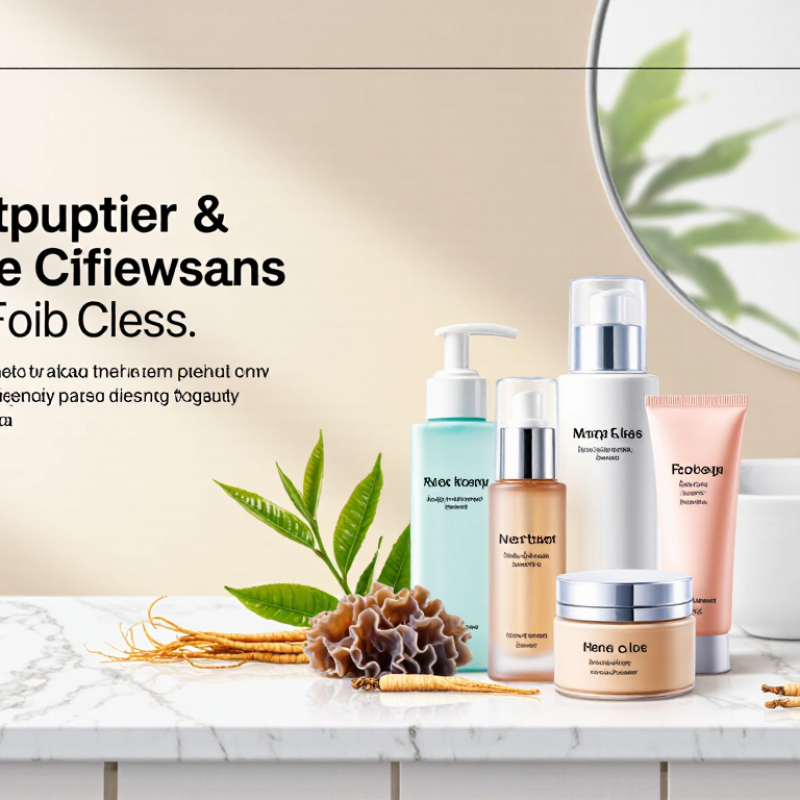
Top Chinese skincare combines traditional botanical knowledge with modern cosmetic research. Ingredients such as green tea, tremella extract, ginseng, and centella may support hydration and help calm visible irritation. Their effects depend on formulation quality, concentration, freshness, and individual skin tolerance. A glossy package is not proof of performance.
Small habits matter.
A practical routine may include a gentle cleanser, hydrating essence, moisturizer, and broad-spectrum sunscreen. Sunscreen deserves special attention because ultraviolet exposure can weaken collagen and accelerate visible laxity. Apply enough each morning, especially around the cheeks, neck, and hands. Reapply during prolonged outdoor activity.
Patch-test new products before applying them widely. Stop using any formula that causes persistent burning, swelling, or rash. People with eczema, allergies, pregnancy-related concerns, or ongoing skin conditions should seek professional advice. Personal experience can be useful, but it is not clinical evidence.
This guide examines popular Chinese skincare approaches through ingredient research, formulation transparency, and careful daily practice. Results may appear as softer texture and improved hydration before noticeable firmness. That can feel disappointing. Still, steady protection and patience usually offer more value than chasing dramatic claims.
Understanding Skin Elasticity and Its Natural Decline
Skin elasticity is the skin’s ability to stretch and return to shape. Collagen provides firmness, while elastin supports recoil. Dermatology research commonly estimates that collagen production declines by about 1% yearly after age 20. UV exposure can accelerate this process. The American Academy of Dermatology identifies daily sun protection as a core measure against premature skin aging.
The decline is not caused by age alone. Menopause, smoking, air pollution, repeated facial movement, and reduced hydration may also affect flexibility. A 2022 review in the International Journal of Molecular Sciences linked oxidative stress and collagen breakdown with visible aging. Fine lines may appear first around the eyes, where the skin feels thinner and creases like soft paper.
Chinese skincare traditions often feature botanical extracts such as green tea, licorice, ginseng, and rice-derived ingredients. Laboratory findings suggest antioxidant or soothing potential, but evidence differs greatly between extracts. Natural does not automatically mean effective. A simple routine works better: broad-spectrum SPF 30 or higher, gentle cleansing, and a fragrance-free moisturizer. Introduce one botanical product at a time, then patch-test it for several days. I would not promise dramatic lifting from a serum; that claim needs stronger clinical proof. Consistency matters more than an impressive ingredient list. Hydrated skin can look smoother, but it cannot fully replace lost elastin.
Building a Gentle Daily Routine for Better Skin Elasticity
Improving skin elasticity begins with a calm, repeatable routine. Dermatologists generally recommend gentle cleansing, daily moisturising, and broad-spectrum SPF 30 or higher. UV exposure breaks down collagen and elastin, even on cloudy mornings. A 2023 review in the Journal of Cosmetic Dermatology found that collagen supplementation studies commonly reported improved elasticity after eight to twelve weeks, although results varied. Skincare cannot replace sleep, protein-rich meals, or medical advice.
Chinese skincare traditions often use soothing ingredients such as green tea, rice extracts, licorice, and ginseng. Choose formulas with clear ingredient lists and fragrance-free options when possible. In the morning, rinse or cleanse gently, apply a hydrating essence, then moisturiser and sunscreen. At night, remove sunscreen without scrubbing. Apply a simple moisturiser while the skin is still slightly damp. Keep the water lukewarm. Hot water feels comforting, but it can increase dryness.
Tips:
Introduce one product every two weeks. Patch-test near the jawline for 24 hours. Use slow, upward strokes, not forceful massage. Take monthly photos in the same window light. Elasticity changes slowly, and daily lighting can mislead you. If redness, stinging, or persistent peeling appears, stop the new product. I sometimes expect visible change too soon; that impatience can encourage over-layering. The American Academy of Dermatology advises consistency over complicated routines.
Using Massage and Facial Techniques to Enhance Skin Care
How to Improve Skin Elasticity Naturally Using Top Chinese Skincare?
Traditional Chinese facial care often emphasizes gentle massage, acupressure, and consistent hydration. These methods may support circulation and improve the temporary appearance of firmness. A 2018 PLOS ONE study involving 32 women found that five minutes of facial roller massage increased facial blood flow and vascular responsiveness. However, improved circulation does not automatically mean permanent elasticity.
Use clean hands and a lightweight, fragrance-free facial oil or moisturizer. Start at the center of the face, then glide outward toward the ears. Move upward along the cheeks and jawline. Keep pressure light around the eyes. Do not chase pain. A gua sha tool can provide broader contact, but it should never drag dry skin. Two to five minutes, three times weekly, is a reasonable starting routine.
Professional guidance still matters. The American Academy of Dermatology recommends moisturizing and daily broad-spectrum sunscreen to reduce visible premature aging. A 2023 ISAPS Global Survey recorded more than 19 million surgical and nonsurgical aesthetic procedures worldwide, showing strong demand for facial rejuvenation, but massage remains less invasive. The research is promising, not definitive. I would question any claim that massage rebuilds collagen quickly. Skin elasticity also depends on age, genetics, sleep, smoking exposure, and sun protection. Stop if redness, bruising, or irritation develops.
Conclusion
Skin elasticity naturally declines with age as collagen production slows, hydration decreases, and environmental stress affects the skin’s supportive structure. This guide explains how to improve skin elasticity naturally through a gentle Chinese-inspired skincare approach. It highlights ingredients such as green tea, ginseng, goji berry, pearl powder, and moisturizing botanical extracts, which may help nourish, hydrate, and protect the skin when used appropriately.
A consistent routine is essential: cleanse gently, apply hydrating products, support the skin barrier, and use sun protection during the day. Facial massage and simple lifting techniques may encourage relaxation and improve the feeling of firmness without harsh pulling. Healthy habits also matter, including drinking enough water, eating a balanced diet, sleeping well, managing stress, and avoiding smoking. Together, these practical steps can help skin look smoother, healthier, and naturally more resilient over time.
 NeoKis Beauty
