How to Use Facial Serum Correctly for Best Results?

Time:2026-06-12 Author:Oliver
0%

Facial serums are powerful tools in skincare. They deliver concentrated ingredients directly to the skin. However, to unlock their full potential, knowing how to use facial serum correctly is essential. Many people struggle with the application process or the right time to use these products.

Common mistakes include applying too much serum or layering it improperly. A small amount, usually a pea-sized drop, is often enough. Lightly pressing the serum into the skin, rather than rubbing it, improves absorption. The right timing is vital; applying it after cleansing but before moisturizing can enhance effectiveness.

Understanding your skin type helps in choosing the right serum. Not all serums suit every skin type. Be cautious and consider patch testing new products. Learning how to use facial serum correctly takes patience and practice. Each person’s skin reacts differently, which means finding the ideal routine might take time. Embrace the journey and adjust as needed to achieve radiant skin.
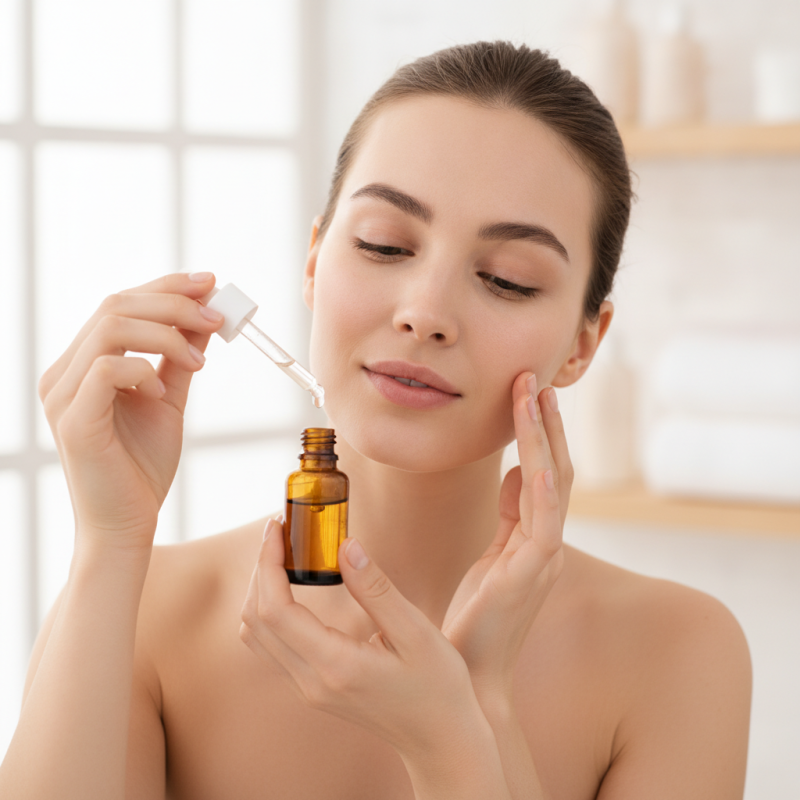
How to Use Facial Serum Correctly for Best Results?

How Facial Serums Differ from Other Skincare Products

Facial serums are distinct from other skincare products due to their concentrated formulas. Unlike moisturizers that primarily hydrate, serums target specific skin concerns. They may address issues like fine lines, hyperpigmentation, and uneven skin tone. The lightweight texture allows them to penetrate deeper layers of the skin. This unique absorption helps deliver active ingredients effectively.

Additionally, serums come in a variety of formulations, each designed for different needs. Some may contain antioxidants, while others focus on hydration or anti-aging. This specialization is what sets them apart. However, not every serum is suitable for everyone. Skin types vary, and a product that works wonders for one may irritate another. It's essential to pay attention to how your skin responds.

Applying a serum incorrectly can lead to subpar results. Overuse can cause irritation or breakouts. Therefore, moderation is key. It might take time to find the right formula that aligns with your skin's requirements. Testing different products gradually can help in identifying what works best for your specific skin needs. Adjusting your routine may lead to better overall outcomes.

How to Use Facial Serum Correctly for Best Results?

This chart illustrates the percentage of users who prefer different benefits of facial serums. Hydration is the most sought-after benefit, while skin barrier support is the least preferred. Understanding these preferences can help guide your serum choices for maximum effectiveness.

Understanding Active Ingredients in Facial Serums for Optimal Results

When choosing a facial serum, understanding active ingredients is crucial for achieving visible results. Commonly featured ingredients include hyaluronic acid, retinol, and vitamin C. Hyaluronic acid helps retain moisture, boosting hydration. On the other hand, retinol promotes cell turnover, fighting fine lines and wrinkles. Vitamin C brightens the skin and tackles uneven tone.

Using serums effectively requires more than just application. Start by checking ingredient concentrations. Higher concentrations may irritate sensitive skin. Patch testing is always a good idea, especially with stronger actives like retinol. Observe how your skin reacts within a week. If irritation occurs, adjust usage frequency.

Another point to consider is product layering. Applying serums on slightly damp skin enhances absorption. Avoid applying too many serums at once. This can overwhelm your skin and diminish the benefits. Find a routine that allows your skin to adapt. Remember, results won't appear overnight, and patience is key. Reflection on your skin's unique needs will guide you toward the right serum for optimal results.

How to Use Facial Serum Correctly for Best Results?

Active Ingredient Benefit Best For Application Tips
Hyaluronic Acid Hydration Dry Skin Apply to damp skin for better absorption.
Vitamin C Brightening Dull Skin Use in the morning before sunscreen.
Retinol Anti-aging Mature Skin Apply at night and start with a lower concentration.
Niacinamide Oil Control Oily/Acne-prone Skin Use twice daily for best results.
Peptides Firmness Loss of Elasticity Combine with a moisturizer for enhanced effects.

The Correct Application Techniques for Facial Serums

Applying facial serums correctly is crucial for achieving optimal results. Start by cleansing your face thoroughly. This step removes impurities and prepares your skin to absorb the serum better. After cleansing, gently pat your skin dry with a clean towel. This ensures that your skin is not too wet but still slightly damp to help with absorption.

When applying the serum, use a few drops—about two to three—and warm it gently between your palms. This enhances the serum's effectiveness. Apply it using upward, circular motions. Focus on areas where your skin needs the most attention, like fine lines or dry patches. Take your time with the application. It’s easy to rush, but that can lead to uneven results.

Consider your skin's sensitivity. Some people experience irritation or breakouts from serums. Always perform a patch test if you're trying a new product. Reflect on your reactions. Did the serum work for you? Adjust your routine based on those experiences. Listening to your skin’s needs is an essential part of skincare.

Frequency and Timing: When to Apply Your Facial Serum

Applying facial serum at the right time maximizes its benefits. The best time to use serum is after cleansing your face. This is when your skin is free from impurities and ready to absorb nutrients. Apply serum on slightly damp skin for better absorption.

Frequency is crucial. Most serums are designed for daily use, but some may have specific instructions. Listen to your skin; if it feels irritated, consider reducing the frequency. You might try using it every other day instead.

Morning applications can prepare your skin for the day, while nighttime use allows for deeper penetration without distractions. Experiment to see what feels right for you. Consistency is key, but it's okay to adjust based on your skin's response. The goal is to enhance your skincare routine, not complicate it.

Tips for Storing Facial Serums to Maintain Efficacy

Storing facial serums correctly is essential for maintaining their efficacy. Many consumers are unaware that exposure to light and air can degrade the active ingredients. A study by the Journal of Cosmetic Science revealed that over 50% of serums lose potency within three months if not stored properly.

To protect your serum, keep it in a cool, dark place. A bathroom cabinet may seem convenient but can be too warm and humid. Instead, consider a drawer away from sunlight. Bottles with dropper tops are ideal since they minimize air exposure each time you use them. Remember to seal the bottle tightly after each use.

Be cautious about temperature fluctuations. Extreme heat can alter the chemistry of the serum. Aim for a consistent environment. According to research, some ingredients like vitamins C and E can degrade at higher temperatures. If you notice changes in color or scent, it may be time to rethink your storage method. Proper storage not only extends the serum's life but also ensures you receive the maximum benefits for your skin.

FAQS

: How should I prepare my skin before applying facial serums?

: Cleanse your face thoroughly to remove impurities. This helps your skin absorb the serum better.

What is the best way to apply facial serums?

Use two to three drops and warm them in your palms. Apply in upward, circular motions on your skin.

How long should I take when applying serum?

Take your time during application. Rushing can lead to uneven results on your skin.

What should I do if I experience irritation from a new serum?

Always perform a patch test. Reflect on your skin's reaction and adjust your routine based on your experience.

How should I store my facial serums?

Keep serums in a cool, dark place to maintain their efficacy. Avoid warm, humid environments like bathrooms.

Why is it important to minimize air exposure for serums?

Bottles with dropper tops help reduce air exposure, preventing the active ingredients from degrading over time.

What if I notice color or scent changes in my serum?

Changes in color or scent can indicate degradation. Consider re-evaluating your storage methods.

Can temperature changes affect my serums?

Yes, extreme heat can alter the serum’s chemistry. Aim for a stable temperature for best results.

How long can serums last if not stored properly?

Many serums lose potency within three months due to exposure to light and air. Proper storage is essential.

Conclusion

Using facial serum correctly can significantly enhance your skincare routine. Unlike other skincare products, serums are concentrated formulations that target specific skin concerns due to their potent active ingredients. To achieve optimal results, it’s essential to understand the ingredients within the serum and how they interact with your skin. For effective application, always start with a clean face, applying the serum with gentle upward motions to promote absorption.

The timing and frequency of application are crucial; typically, serums should be used after cleansing and toning, but before moisturizing. Finally, to maintain their efficacy, proper storage of facial serums is important—keeping them in a cool, dark place extends their shelf life. By mastering how to use facial serum correctly, you can maximize the benefits and achieve healthier, glowing skin.

Oliver

Oliver

Oliver is a seasoned marketing professional with a wealth of expertise in driving brand awareness and engagement. With a deep understanding of our company's product offerings, he consistently delivers high-quality content that enriches our professional blog. His insights not only shed light on......