Can Facial Serum Really Help with Acne Effectively?

Time:2026-07-29 Author:Oliver
0%

Acne is a common struggle for many. The search for solutions often leads to questions about skincare products. Among these, facial serums have gained popularity. But can facial serum help with acne effectively?

Facial serums can contain powerful ingredients. Some include salicylic acid, niacinamide, or tea tree oil. These may reduce inflammation and clear clogged pores. However, results can vary widely from person to person. What works for one may not work for another.

Trusting claims and ingredients is crucial. Not every serum labeled for acne will deliver results. It's essential to research and consult professionals. Understanding one's skin type and needs can guide choices. Reflecting on past experiences with products can also be beneficial. Consider how your skin reacts to certain ingredients. This awareness may lead to a more effective skincare routine.
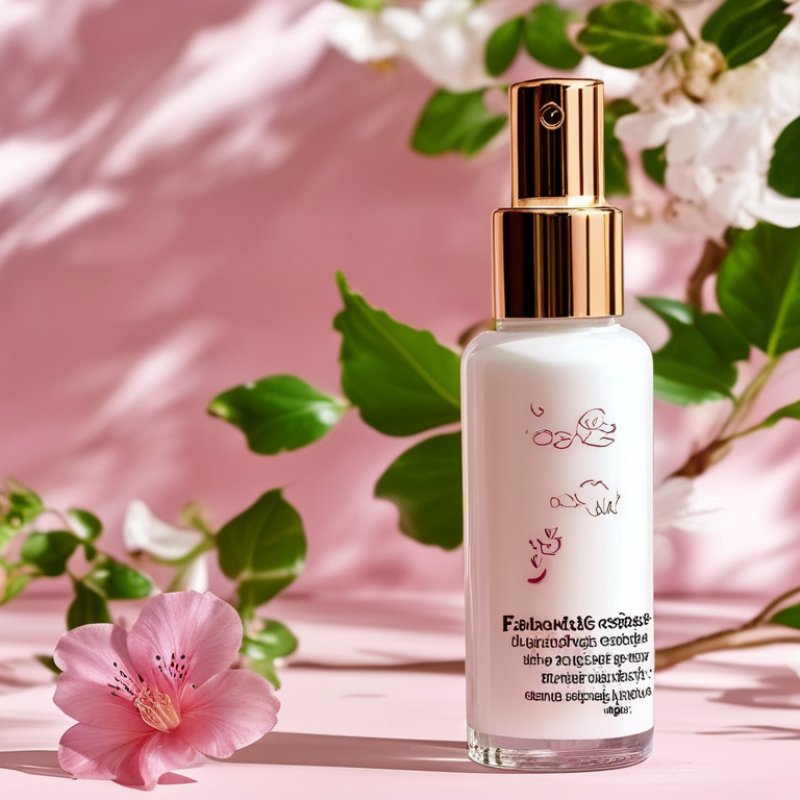
Can Facial Serum Really Help with Acne Effectively?

Understanding Acne: Causes and Contributing Factors

Acne is a common skin condition that affects millions. It results from various factors, including excess oil production, clogged pores, and bacteria. Hormonal changes are pivotal, especially during puberty. The skin’s oil glands become overactive, leading to more sebum. This oil can mix with dead skin cells, forming blockages.

Stress and diet can also contribute to acne. Emotional distress may cause hormonal imbalances, worsening breakouts. Certain foods, like dairy and high-glycemic-index items, might trigger inflammation. Not all triggers are the same for everyone, making acne unique to each individual.

Understanding these factors is essential for effective treatment. While facial serums can help manage acne, they are not a cure-all. Individualized approaches are necessary. Monitoring skin reactions to different products is crucial. Reflection on personal triggers, like stress levels and diet, can lead to better management of acne.

Can Facial Serum Really Help with Acne Effectively? - Understanding Acne: Causes and Contributing Factors

Acne Type Causes Contributing Factors Facial Serum Ingredients that May Help Effectiveness
Hormonal Acne Hormonal fluctuations, such as during menstrual cycle Stress, diet, genetics Salicylic Acid, Niacinamide Moderately effective; helps reduce inflammation
Cystic Acne Deep infection in acne-prone skin Dietary habits, dirty skin, clogged pores Tea Tree Oil, Retinol Highly effective; reduces severity and size of cysts
Inflammatory Acne Bacterial growth and skin irritation Poor hygiene, excessive oil production Benzoyl Peroxide, Zinc Effective; helps control oil and bacteria
Non-inflammatory Acne Clogged pores leading to blackheads and whiteheads Use of comedogenic products Hyaluronic Acid, Lactic Acid Some effectiveness; helps with cell turnover and hydration

How Facial Serums Work: Key Ingredients and Their Benefits

Facial serums are popular in skincare for their targeted benefits, especially for acne. These lightweight formulas allow key ingredients to penetrate deeply. Common ingredients include salicylic acid, hyaluronic acid, and niacinamide. Each plays a specific role in treating acne.

Salicylic acid deeply cleanses pores and reduces inflammation. It’s effective but can cause dryness. Users must balance its benefits with moisture. Hyaluronic acid hydrates, counteracting drying effects. It can help calm irritated skin. Niacinamide is another powerhouse. It reduces redness and improves skin texture, which is crucial for acne-prone skin.

Tips: Always patch test new serums before full application. Gradually introduce products to avoid overwhelming your skin. Be mindful of how your skin reacts to different ingredients. Personalize your regimen for the best results, as everyone's skin is unique. Remember, consistency is key and results take time.

Effectiveness of Facial Serums in Acne Treatment: Evidence and Studies

When exploring the effectiveness of facial serums in acne treatment, it's essential to understand their various active ingredients. Many serums contain salicylic acid, which can penetrate pores and reduce acne. However, not all formulations deliver the same results. Results can vary based on skin types.

Research indicates that serums with niacinamide also show promise. They can help reduce inflammation and redness. However, some individuals report initial breakouts when starting a new serum. This phenomenon, often referred to as purging, can be discouraging. It raises questions about the efficacy of the product.

Consistency is crucial for seeing results with serums. Users may feel frustrated if they don't notice improvements quickly. Moreover, it’s important to patch-test new products. This can prevent adverse reactions. While serums can contribute positively to acne treatment, they are not a one-size-fits-all solution. Personal experiences may vary significantly.

Comparing Facial Serums to Other Acne Treatments: Pros and Cons

Facial serums can be an effective part of an acne treatment routine. However, they are not a one-size-fits-all solution. Understanding how serums compare to other treatments is crucial for informed choices.

Many serums contain active ingredients like salicylic acid or niacinamide. These components target blemishes and reduce inflammation. In contrast, topical treatments often contain stronger agents that might be more effective for severe acne. Yet, the gentle nature of serums can make them suitable for sensitive skin types, providing hydration without irritation.

Tips: Start with a patch test. Apply a small serum amount to gauge your skin's reaction. Patience is key; results may take time. Also, consider your skin type when choosing products. Oily skin may benefit from lightweight formulas, while dry skin needs more moisturizing ingredients.

Remember, while serums can aid in managing acne, they are not a complete solution. A holistic approach, including proper cleansing and lifestyle adjustments, may yield better outcomes. Each person's experience can vary widely. Reflect on what works for you through observation and adaptation.

Choosing the Right Facial Serum for Acne-Prone Skin: Tips and Recommendations

Choosing the right facial serum for acne-prone skin requires some thought. Not all serums are created equal. Look for ingredients like salicylic acid and niacinamide. These can help reduce breakouts and soothe inflammation. A lightweight formula is ideal. Heavy serums may clog pores. Test the serum on a small area first. This helps to ensure you won't have a reaction.

Consider your unique skin needs. Some may struggle with excess oil, while others may have dry patches. A balancing serum can help manage this. Other beneficial ingredients include tea tree oil and hyaluronic acid. They hydrate without causing breakouts.

Remember, results take time. Some serums may not deliver instant results. They often require consistent use over weeks. Keep track of how your skin reacts. If irritation occurs, reevaluating your choice is essential. Listening to your skin’s response is crucial in this journey. Adjust your routine accordingly to find what works best for you.

FAQS

: What ingredients should I look for in an acne treatment serum?

: Look for salicylic acid and niacinamide. They can help reduce breakouts and inflammation.

Can all serums be used on acne-prone skin?

No, not all serums suit acne-prone skin. Choose lightweight formulas to avoid clogging pores.

How long does it take to see results from facial serums?

Results vary. Users may need to wait weeks for noticeable improvements with consistent use.

What is skin purging, and is it normal?

Skin purging is when new products cause initial breakouts. It's common but can be frustrating.

Is patch testing important before using a new serum?

Yes, patch testing helps prevent adverse reactions. Apply a small amount to check your skin’s response.

Should I worry if I experience irritation with a serum?

Yes, if irritation occurs, reevaluate your product choice. Adjust your skincare routine based on your skin’s feedback.

Are serums a complete solution for acne treatment?

No, serums aren't a one-size-fits-all solution. A holistic approach is often needed for better results.

Can oily skin benefit from serums?

Yes, lightweight serums can help oily skin without causing excessive oiliness or breakouts.

What if I don’t notice immediate effects from a serum?

Patience is key. Some products may take time to show results; consistency is important.

How can I choose the right serum for my skin type?

Consider your specific skin needs. Balance your skin’s oiliness or dryness with suitable serum ingredients.

Conclusion

The article titled "Can Facial Serum Really Help with Acne Effectively?" explores the complexities of acne, including its various causes and contributing factors. It delves into how facial serums work, highlighting key ingredients known for their beneficial properties in treating acne. Evidence from studies is presented to assess the effectiveness of facial serums in acne treatment, offering a balanced view of their potential benefits compared to traditional acne treatments. The article also provides insights into the pros and cons of using facial serums, ultimately guiding readers on how to choose the right product for acne-prone skin. Overall, it addresses the question, "can facial serum help with acne," and offers practical tips for those looking to incorporate serums into their skincare routine.

Oliver

Oliver

Oliver is a seasoned marketing professional with a wealth of expertise in driving brand awareness and engagement. With a deep understanding of our company's product offerings, he consistently delivers high-quality content that enriches our professional blog. His insights not only shed light on......