What Does Facial Serum Do 7 Tips for Global Buyers?

Time:2026-10-17 Author:Henry
0%

What does facial serum do is a practical question for global buyers, not merely a skincare trend. A serum usually delivers concentrated ingredients through a lightweight formula. Depending on its composition, it may support hydration, brighten uneven-looking tone, reduce visible fine lines, or strengthen the skin barrier. It does not perform every function equally. Claims require careful reading.

Grand View Research reported that the global facial serum market was valued at approximately USD 5.9 billion in 2023. Its analysis also projects continued growth through 2030, driven by premium skincare, online retail, and ingredient-focused purchasing. Euromonitor International similarly identifies rising consumer interest in science-backed beauty and personalized routines. These reports show commercial momentum, but market growth does not prove every product works. That distinction matters.

Dermatologist Zoe Diana Draelos has explained, “Serums are designed to deliver high concentrations of specific active ingredients to the skin.” The formulation still decides the outcome. A hyaluronic acid serum may leave dry skin feeling cushioned, while a vitamin C serum may target dull appearance. A retinol serum requires greater caution, especially for sensitive users. Patch testing helps, although it cannot predict every reaction.

Global buyers should examine ingredient percentages, stability, packaging, testing evidence, and regional labeling rules. Airless pumps can protect oxidation-sensitive formulas. Transparent glass may look premium, yet it can expose ingredients to light. Small details matter. I should acknowledge one limitation: “concentrated” does not automatically mean “better.” Evidence, tolerability, and consistent use remain more reliable than dramatic promises.
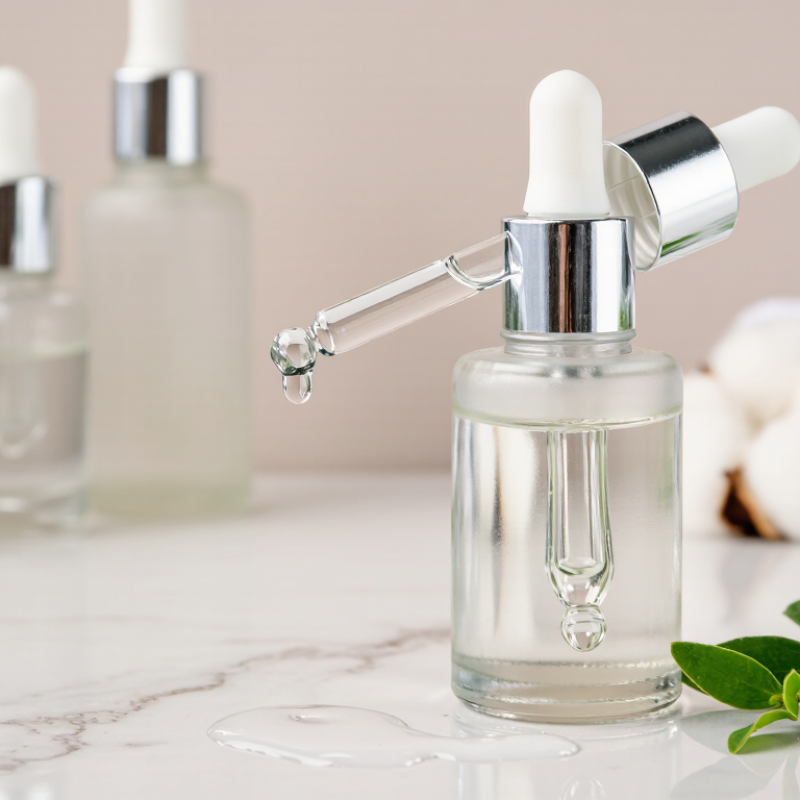
What Does Facial Serum Do 7 Tips for Global Buyers?

What Is Facial Serum and How Does It Work?

Facial serum is a lightweight skincare product designed to deliver concentrated ingredients to the skin’s surface. It usually feels thinner than cream and spreads easily over clean, slightly damp skin. Common formulas contain humectants, such as glycerin, which attract water. Others use antioxidants, soothing agents, or gentle exfoliating ingredients. Each formula has a different purpose.

Here is the practical part. Apply two or three drops after cleansing, then press them gently into the face. Do not scrub. A moisturizer can follow to reduce water loss. In my experience, using too much serum often causes stickiness without improving results. Skin may feel smoother after several applications, but visible changes usually need consistent use. Patch testing remains sensible, especially for sensitive skin.

Buyers should read the full ingredient list, directions, shelf-life information, and storage advice. Packaging matters too. An airless pump may limit repeated exposure to air and fingers. Light-sensitive formulas need suitable protection. Results depend on skin type, climate, product strength, and daily habits. A serum cannot repair every concern. I once expected quick brightness from a gentle formula, but the change was barely noticeable. That experience taught me to judge products slowly, under similar lighting, and without mixing several new ingredients at once. Global buyers should also check local cosmetic rules before importing or selling a formula.

Which Skin Concerns Can Facial Serum Address?

Facial serum can address several skin concerns, but its effect depends on ingredients, concentration, and consistent use. A hydrating serum with humectants such as hyaluronic acid may reduce tightness and soften flaky areas. Skin feels more comfortable.

For uneven tone, formulas containing vitamin C, niacinamide, or azelaic acid may help improve the appearance of dullness and dark marks. Results usually appear gradually, often after several weeks of steady application. A serum with retinoids can support smoother-looking texture and fine lines, but it may cause dryness or irritation at first. Buyers with sensitive skin should begin slowly and avoid combining too many active ingredients.

Acne-prone skin may benefit from salicylic acid, which helps clear excess oil inside pores. However, persistent acne, painful lesions, or sudden pigmentation needs professional assessment. A serum cannot replace medical care. Skin varies widely. Climate matters too; a lightweight formula may suit humid regions, while dry climates often require a richer moisturizer afterward. Patch testing is sensible, although it cannot predict every reaction. I used to view higher strength as better, but that assumption is unreliable. A simpler formula used consistently may outperform an aggressive routine abandoned after irritation. Check ingredient labels, storage guidance, and local cosmetic requirements before purchasing.

What Does Facial Serum Do? Skin Concerns It Can Address

Facial serums are concentrated skincare products that may help support concerns such as acne-prone skin, uneven pigmentation, dryness and visible signs of aging. The chart shows reported prevalence benchmarks for selected skin concerns; it is not a measure of serum effectiveness.

How to interpret this chart: Acne affects up to 85% of adolescents and young adults. Atopic dermatitis affects up to 20% of children and about 3% of adults. Melasma has been reported in approximately 1% of the general population, with substantially higher rates in some high-risk groups. Serums may support hydration, brightness and the appearance of fine lines, but persistent acne, eczema or pigmentation should be assessed by a qualified healthcare professional.

Sources: American Academy of Dermatology Association; World Health Organization; DermNet NZ. Prevalence varies by age, population, location and study design.

How to Choose a Facial Serum for Different Skin Types

What Does Facial Serum Do? 7 Tips for Global Buyers

Choosing a facial serum begins with skin type, not attractive packaging. Dry skin usually needs humectants such as glycerin or hyaluronic acid. These ingredients help skin hold water. Oily skin may prefer lightweight, non-comedogenic formulas with niacinamide. Sensitive skin often benefits from fragrance-free products with fewer active ingredients. It can sting. Combination skin needs balance, not the strongest formula available.

A 2024 Grand View Research report projects the global facial serum market to grow at roughly 7% annually through 2030. This demand encourages faster product launches, but more choices can create confusion. Check the full ingredient list, concentration details, expiry information, and protective packaging. Airless pumps may reduce exposure to air and repeated contact. The McKinsey Global Institute’s 2023 beauty analysis also estimated that the global beauty market could reach about $580 billion by 2027, showing why careful product evaluation matters for international buyers.

Patch-test a small area for several days before regular use. Dermatology guidance commonly supports this cautious approach, especially for reactive skin. Avoid combining multiple exfoliating acids or retinoid products without professional advice. “Natural” does not always mean gentle. Even a well-designed serum may irritate some users because skin responses differ. Climate matters too: dry winter air may require a richer moisturizer, while humid regions may favor a water-based serum. Product claims deserve questioning, particularly when clinical evidence is unclear.

How to Apply Facial Serum Correctly

Facial serum works best when applied to clean, slightly damp skin. Wash your face with a gentle cleanser, then pat it dry with a soft towel. Do not rub. Apply toner only if it suits your routine and causes no stinging. Wait briefly if your skin feels wet.

Use two or three drops, not a full pipette. Less is more. Warm the serum between your fingertips, then press it across your forehead, cheeks, nose, and chin. Move outward with light pressure. Avoid the eyelids unless the product clearly allows eye-area use. I once applied too much serum and noticed a sticky layer under moisturizer. More product did not mean better results.

Allow the serum to absorb for about one minute. Follow with moisturizer to reduce water loss. In the daytime, apply broad-spectrum sunscreen as the final skincare step. New users should test a small amount near the jawline for several days. Stop if persistent redness, burning, or swelling appears, and seek professional advice when needed. Store the bottle away from heat, sunlight, and damp bathroom shelves. Buyers in hot climates may need faster storage after opening, while cold weather can make some formulas feel thicker. Check the label because application directions can differ. A simple routine is easier to follow, but I still review my skin’s response instead of copying someone else’s schedule.

What Does Facial Serum Do? 7 Tips for Global Buyers — How to Apply Facial Serum Correctly

Tip Buyer Consideration Recommended Serum Profile How to Apply Important Evidence-Based Note
1. Match the serum to the skin concern Identify whether the main goal is hydration, uneven tone, signs of aging, excess oil, or sensitivity. Choose one primary benefit instead of combining many strong active ingredients at once. Apply after cleansing and before moisturizer. Serums are concentrated cosmetic products; results depend on the formula, regular use, and the individual’s skin.
2. Check the active ingredients Review the ingredient list and product instructions, especially when buying across different markets. Common options include humectants for hydration, niacinamide for barrier support, vitamin C derivatives for antioxidant care, and retinoids for texture and fine lines. Use only the amount directed on the label; more product does not necessarily improve results. Ingredient suitability varies by skin type, concentration, formulation, and tolerance.
3. Select according to skin type Consider whether the skin is dry, oily, combination, normal, sensitive, or acne-prone. Dry skin may prefer a hydrating, lotion-like serum; oily skin may prefer a lightweight, non-comedogenic texture; sensitive skin may need a fragrance-free formula. Apply a thin, even layer to clean skin without rubbing aggressively. “Non-comedogenic” indicates a product is designed to reduce pore-clogging potential, but individual reactions can still differ.
4. Introduce strong actives gradually New users should avoid starting several exfoliating or anti-aging products simultaneously. Products containing retinoids, exfoliating acids, or high-strength vitamin C may require a gradual routine. Begin every other night or according to the label, then increase only if the skin remains comfortable. Redness, burning, persistent peeling, or swelling may indicate irritation; discontinue use and seek professional advice if symptoms continue.
5. Apply in the correct order A simple routine improves consistency and reduces unnecessary product layering. Typical order: cleanser, toner if used, serum, moisturizer, and sunscreen in the morning. Use clean hands, place a small amount on the face, and gently spread or pat it in. Allowing each layer to settle can improve comfort, although a long waiting period is not generally required.
6. Protect the skin from sunlight Global buyers should consider local sunlight intensity and daily outdoor exposure. Use a broad-spectrum sunscreen labeled SPF 30 or higher during daytime, especially when using exfoliating or retinoid products. Apply sunscreen as the final morning skincare step and reapply as directed, particularly after sweating or swimming. Sun protection helps reduce ultraviolet exposure, which contributes to premature skin aging and uneven pigmentation.
7. Verify safety, storage, and authenticity Check the ingredient declaration, usage directions, expiration or period-after-opening guidance, and local regulatory requirements. Prefer sealed packaging that limits exposure to air and light when the formula is sensitive to oxidation. Perform a small-area patch test before regular use, especially for sensitive skin or unfamiliar ingredients. Store the product as instructed, usually away from excessive heat and direct sunlight, and do not use it if the smell, color, or texture changes significantly.
Basic Application Guide: Cleanse the face, pat the skin dry, apply a small amount of serum, gently spread it over the face and neck if suitable, follow with moisturizer, and finish with broad-spectrum sunscreen in the morning.

What Should Global Buyers Check Before Purchasing Serum?

Before purchasing a facial serum, global buyers should read the full ingredient list, not just the front label. Look for clear concentrations when the supplier provides them, plus a batch number and manufacturing date. A sealed bottle, readable label, and stable packaging suggest better quality control. Small details matter. Ask for a certificate of analysis when available, especially for large wholesale orders. The document should identify testing methods, specifications, and the tested batch, not vague claims.

Buyers should match the formula to the intended market and skin concerns. Check whether local rules require ingredient notifications, safety files, translated labels, or specific warnings. Regulations differ across regions, so a product accepted in one country may need changes elsewhere. Do not trust “instant whitening” or “poreless skin” promises without credible cosmetic evidence. I would request stability and microbiological test information before approving a shipment. Yet documents can be incomplete, and that is a warning, not a minor inconvenience.

Review the serum’s texture, scent, color, and packaging through retained samples before purchase. A watery formula may be normal, but separation, rancid odor, or leaking pumps deserve investigation. Ask about storage temperatures, transport conditions, minimum order quantity, and replacement procedures. Clarify whether sensitive-skin testing was performed by an independent qualified laboratory. Patch testing remains sensible, even when a formula appears gentle. Skin reacts differently. No checklist is perfect. A supplier who answers precisely and shares traceable records is usually easier to evaluate and support.

FAQS

What is a facial serum?

A facial serum is a lightweight product with concentrated skincare ingredients. It spreads easily over clean, slightly damp skin. Its texture is usually thinner than cream.

How should facial serum be applied?

Apply two or three drops after cleansing. Press it gently into the face. Do not scrub. Follow with moisturizer to reduce water loss.

Can serum improve dry or tight skin?

Hydrating formulas may reduce tightness and soften flaky areas. Ingredients that attract water can improve comfort. Dry climates may require a richer moisturizer afterward.

Can serum help uneven tone or dullness?

Some formulas may improve the appearance of dullness and dark marks. Progress is usually gradual. Judge changes under similar lighting, not after one morning.

Can serum support smoother-looking skin?

Certain active ingredients may support smoother texture and fine lines. They can also cause early dryness or irritation. Start slowly and avoid adding several new ingredients together.

Is facial serum suitable for acne-prone skin?

Some formulas may help manage excess oil inside pores. Persistent acne or painful lesions need professional assessment. Serum cannot replace medical care.

How much serum should buyers use?

Two or three drops are usually enough for the face. More product may create stickiness without better results. Less can be better.

What should global buyers check before purchasing serum?

Read the full ingredient list, directions, shelf-life details, and storage advice. Check the batch number, manufacturing date, and sealed packaging. Small details matter.

What quality documents should wholesale buyers request?

Request batch-specific testing documents when available. They should describe methods, specifications, and tested samples. Vague claims are not enough.

How can buyers identify possible packaging or formula problems?

Review retained samples for texture, scent, color, and leakage. Separation or a rancid odor deserves investigation. I once trusted a gentle formula too quickly, and the result was barely visible.

Conclusion

Facial serum is a lightweight, concentrated skincare product designed to deliver targeted ingredients into the skin’s surface. Understanding what does facial serum do helps global buyers choose products more effectively: depending on its formula, a serum may support hydration, improve the appearance of uneven tone, reduce the look of fine lines, calm visible redness, or help control excess oil. Its thinner texture is generally applied after cleansing and toning, but before moisturizer, allowing the skin to receive focused care without a heavy feel.

Choosing the right serum depends on skin type and specific concerns. Dry skin may benefit from hydrating ingredients, while oily or combination skin often suits lightweight, non-greasy formulas. Sensitive skin requires gentle products with minimal potential irritants. Buyers should also check the ingredient list, product stability, packaging, usage instructions, shelf life, safety documentation, labeling accuracy, and compliance with the destination market’s regulations. Testing a small amount before regular use can help reduce the risk of irritation.

Henry

Henry

Henry is a dedicated marketing professional with a profound expertise in the company's offerings. With years of experience in the industry, he possesses an impressive understanding of the market dynamics and consumer behaviors that drive success. Henry is committed to sharing his insights through......