A facial serum can feel like a small, targeted step: a few drops, a light texture, and a label promising brighter or calmer skin. Yet choosing one is not just about finding the strongest ingredient. Skin type, sensitivity, existing products, and the concern you want to address all matter. The American Academy of Dermatology recommends testing a new product on a small area twice daily for seven to ten days before regular use. That matters. A product that works for one person may irritate another.
The market can make the choice feel even harder. Grand View Research estimated the global skincare products market at $145.3 billion in 2023, a sign of how crowded the category has become—not proof that every serum delivers its claims. So, how to choose the right facial serum without chasing every trend? Start by identifying your skin’s needs, then compare ingredients, concentration information, and directions. If your skin is reactive, a short ingredient list may feel reassuring, though it cannot guarantee a gentle result. And the label? It can still be confusing. This guide will help you weigh common serum ingredients against everyday concerns, notice potential irritants, and introduce products carefully. Persistent irritation or a skin condition calls for advice from a qualified dermatologist, not guesswork from a bottle.
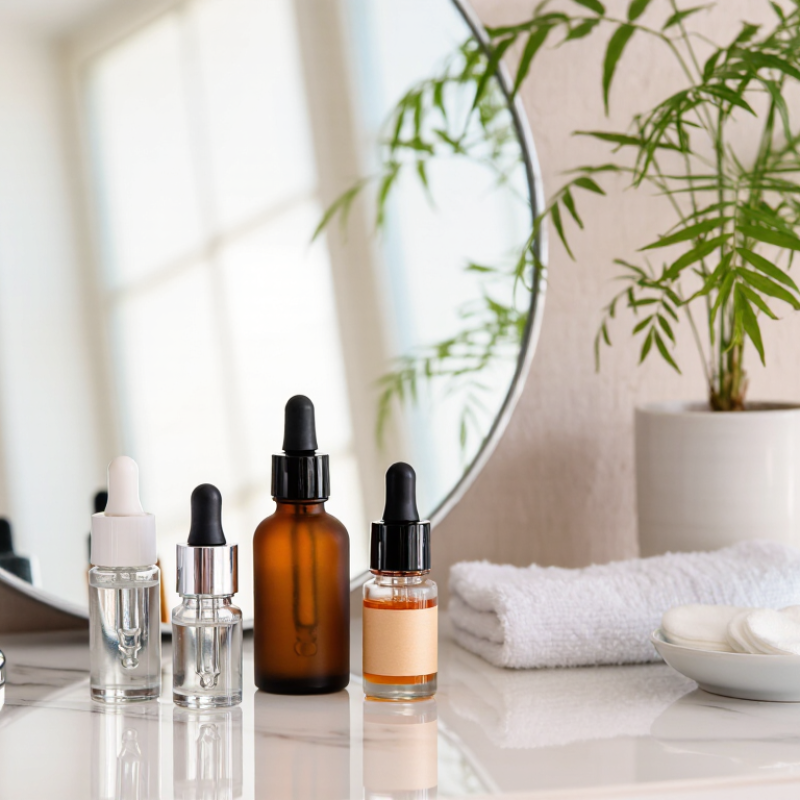
A serum works best when it suits your skin as it behaves now, not as you remember it behaving. Wash with a gentle cleanser, pat dry, and wait about 30 minutes before checking your face. If your cheeks feel tight or look flaky, your skin may be dry. A shiny forehead and nose with more balanced cheeks can suggest combination skin. Shine across most of the face may point to oiliness, while frequent stinging or redness can signal sensitivity. This check is imperfect; weather, hormones, and recent products can change what you notice. That matters.
Next, choose one main concern, such as dullness, uneven tone, or dehydration. Look for ingredients that match that goal, and check the full formula rather than relying on one featured ingredient. For example, glycerin can help attract water to the skin, while niacinamide may suit people seeking support for uneven tone or visible oiliness. Start with one serum, apply a small amount, and test it on a discreet area for several days. Keep it simple. If burning, swelling, or persistent irritation develops, stop using it and seek advice from a qualified dermatologist. It is easy to mistake a temporary glow for a good fit, so notice how your skin feels by the end of the day, too.
| Skin Type or Clue | Common Primary Concern | Serum Ingredients to Consider | How to Choose and Use |
|---|---|---|---|
| Dry Skin often feels tight, rough, or flaky. |
Dehydration and a compromised-feeling skin barrier. | Glycerin, hyaluronic acid, panthenol, or a ceramide-containing formula. | Choose a hydrating, fragrance-free serum and apply it as directed. Follow with a moisturizer to help reduce moisture loss. |
| Oily Shine appears readily, especially across the forehead, nose, and chin. |
Excess shine, clogged pores, or blemishes. | Niacinamide; salicylic acid may suit some people concerned about clogged pores. | Look for a lightweight, non-comedogenic formula. Introduce exfoliating ingredients gradually and stop if persistent irritation occurs. |
| Combination Some areas feel oily while others feel normal or dry. |
Different needs across the face, such as shine in the T-zone and dryness on the cheeks. | Niacinamide or a simple hydrating serum with glycerin or hyaluronic acid. | Start with one gentle, lightweight serum. If needed, apply different products to different areas rather than using a strong active everywhere. |
| Sensitive or easily irritated Skin may sting, flush, or react to new products. |
Reducing exposure to potential irritants and supporting skin comfort. | Fragrance-free formulas with ingredients such as glycerin or panthenol. | Choose a short ingredient list and introduce one product at a time. Patch test before regular use; avoid adding several active ingredients at once. |
| Acne-prone Breakouts or clogged pores occur repeatedly. |
Blemishes, blocked pores, and post-breakout marks. | Salicylic acid for clogged pores; niacinamide may be an option for a simple, lightweight routine. | Start with one active product and follow its directions. Persistent, painful, or scarring acne is best discussed with a healthcare professional. |
| Uneven tone or visible signs of sun exposure | Dark spots, uneven-looking tone, or fine lines. | Vitamin C or a retinoid, depending on suitability and tolerance. | Introduce one active at a time. Retinoids can irritate skin and are not suitable during pregnancy; ask a healthcare professional if unsure. Daily broad-spectrum sunscreen is important for protecting against sun damage. |
Choosing tip: Skin type can change with season, climate, and skincare habits. Start with one serum, follow the product directions, and patch test new products. A serum is optional; a gentle cleanser, moisturizer, and daily broad-spectrum sunscreen are useful routine basics.
Start with one clear goal, such as dryness, uneven tone, or visible congestion. A formula with one or two relevant ingredients is easier to assess.
Vitamin C may brighten the appearance of uneven tone. Check the full ingredient list, not just the front label.
Look for glycerin or hyaluronic acid, then seal in moisture with a cream. Small steps help.
Niacinamide may support the skin barrier and suit concerns about excess shine. Salicylic acid may help with clogged pores, but it can irritate some skin.
Add one new serum at a time and follow its directions. Start with a lower strength and use it less often, especially if you are new to it.
Test a small area first, particularly if your skin is reactive. A patch test can help, but it cannot guarantee your face will tolerate the serum.
They can. Fragrance, essential oils, and strong exfoliating acids may irritate sensitive skin. A small application can also show whether a formula feels sticky or heavy.
Skin may take several weeks to respond. I sometimes expect changes too quickly. Stop using the serum if burning or persistent redness develops, and seek professional advice when needed.
Choosing the right facial serum begins with understanding your skin type and its main concerns, such as dryness, uneven tone, excess oil, or visible signs of aging. Consider ingredients that support your goals, but also check the formula’s strength and review its ingredient list for substances that may irritate your skin. A suitable serum should address your needs without adding unnecessary complexity to your routine.
When deciding how to choose the right facial serum, think about how it will fit alongside the products you already use and whether its texture and application work for you. Introduce it gradually, following the product directions, and patch-test it on a small area first. Monitor your skin for changes, and stop using the serum if you experience persistent irritation. A thoughtful, patient approach can help you find a serum that feels comfortable and suits your routine.

 NeoKis Beauty