In the world of skincare, the ongoing debate revolves around the use of serums and moisturizers. Many people wonder, "what is the difference between serum and moisturizer?" Esteemed dermatologist Dr. Emily Sanders explains, "Serums contain concentrated active ingredients, while moisturizers provide hydration." This key distinction shapes our skincare routines.
Serums are light and absorb quickly. They often target specific skin concerns, such as wrinkles or dark spots. Ingredients like hyaluronic acid or vitamin C are common in serums. In contrast, moisturizers are thicker and create a protective barrier on the skin. They lock in moisture and prevent dryness.
It’s essential to choose products that complement each other. A serum can boost the effectiveness of a moisturizer. However, some people struggle with layering products correctly. Understanding the right application can take time. The complexity of these products highlights the importance of tailoring skincare to individual needs. Ultimately, recognizing the distinct roles of each can lead to healthier, more radiant skin.
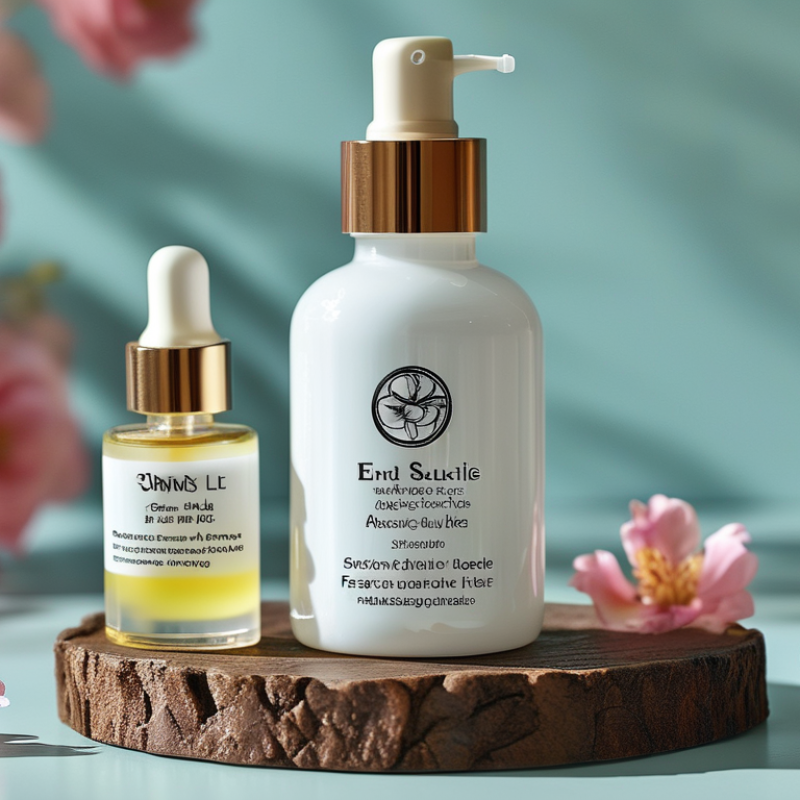
Serums are concentrated treatments designed to address specific skin concerns. They often contain active ingredients, such as vitamins, antioxidants, and peptides. This potency makes serums effective for targeting issues like acne, dark spots, and dullness. Because of their lightweight formula, serums penetrate deeply into the skin, providing benefits at a cellular level.
Moisturizers, on the other hand, primarily focus on hydrating and sealing moisture in the skin. They typically have a thicker consistency, which helps create a barrier against environmental stressors. While they may contain beneficial ingredients, their main role is not to treat specific conditions but to maintain skin hydration.
Tips: When using a serum, apply it to clean skin. Allow a moment for it to absorb before applying moisturizer. Choose your serum according to your skin type and concerns. Consider patch testing to avoid potential reactions. Be mindful that not every serum is perfect for every individual. Adjust your routine as needed. True skincare is about finding what works best for you.
Moisturizers are essential for maintaining healthy skin. They come in various types, each designed for specific skin needs. Creams, lotions, gels, and oils are popular forms. Each type serves a unique purpose. For instance, gels are lightweight and perfect for oily skin. Creams offer richer hydration, ideal for dry skin types.
Understanding the functions of moisturizers can help you choose effectively. They primarily work to hydrate and lock in moisture. Some moisturizers contain essential oils and antioxidants that further nourish the skin. However, not every product suits all skin types. It's crucial to observe how your skin reacts.
Sometimes, people overlook the ingredients. A product might feel good initially but cause irritation later. Reflecting on how your skin changes with the seasons is also important. Pay attention to climate and lifestyle, as these factors affect hydration needs. This mindful approach helps in finding the right moisturizer for you.
When comparing serums and moisturizers, understanding their key ingredients is essential. Serums typically contain a higher concentration of active ingredients. They often focus on specific skin concerns, such as fine lines, uneven tone, or dehydration. These solutions penetrate deeply into the skin, delivering powerful benefits. For example, antioxidants, peptides, and hyaluronic acid are commonly found in serums.
On the other hand, moisturizers mainly provide hydration. They create a barrier on the skin's surface to lock in moisture. Ingredients like glycerin, ceramides, and oils are often included to nourish and soften. While serums may have a lightweight texture, moisturizers can feel richer and creamier. It’s important to note that everyone’s skin is different. What works for one may not work for another. It might take some trial and error to find the right combination of serum and moisturizer for your skin type.
The distinction between these two products isn't just about hydration levels. Serums address specific skin issues, while moisturizers maintain overall skin health. Observing how your skin reacts can guide your choices. It may not be easy, but understanding these differences can lead to better skin outcomes. Balancing both can enhance your skincare routine.
Choosing between serum and moisturizer can be challenging. Understanding their functions is essential for healthy skin. Serums are lightweight and contain concentrated active ingredients. They are designed to penetrate deeply and address specific skin concerns like wrinkles or dark spots. According to a survey by the American Academy of Dermatology, over 70% of users see improved skin texture after using serums.
Moisturizers, on the other hand, create a protective layer on the skin’s surface. Their primary role is to hydrate and lock in moisture. A report from the Journal of Clinical and Aesthetic Dermatology suggests that proper hydration can enhance skin barrier function, leading to healthier skin overall. Not enough people consider their skin type before selecting these products. Oily skin types may benefit more from lightweight serums. Dry skin types need richer moisturizers to maintain hydration.
Evaluating your individual needs is key. Sometimes, users apply both products, but it may not yield better results. Some may feel overwhelmed by the skincare routine and experience irritation. Simplifying your approach could lead to better outcomes. It’s essential to observe how your skin reacts to each product. Regularly re-evaluate your choices based on changing skin conditions or environmental factors.
To use serums and moisturizers effectively, timing and layering matter. Apply serum on clean skin. Its lightweight formula allows for deeper penetration. Use gentle, upward motions when applying. This helps the skin absorb nutrients better. Follow up with a moisturizer to lock in hydration. A moisturizer provides a protective barrier, sealing in the serum’s benefits.
Understanding your skin type is essential. Those with oily skin may prefer a gel-based moisturizer, while dry skin types often benefit from creamier options. Experimenting with different products may lead to revelations about what works best. It's okay to make mistakes and try again. Observing how your skin reacts can guide your choices.
Consistency is vital. Apply serums and moisturizers daily for the best results. Overloading on products can sometimes cause irritation. Start with a small amount to see how your skin responds. Adjustments may be necessary to achieve the desired outcome. Reflect on the process. What feels best on your skin? Every face is unique, and finding the right balance may take time.
: A serum is a concentrated treatment meant to address specific skin concerns. It has active ingredients like vitamins and peptides.
Apply serum to clean skin using gentle, upward motions. Allow it to absorb before adding a moisturizer.
Serums target specific issues like acne, while moisturizers primarily hydrate and protect the skin.
Not every serum is suitable for everyone. Choose based on your skin type and concerns. Patch testing is recommended.
Select a moisturizer that suits your skin type. Observe its effects and consider seasonal changes in your skin’s needs.
There are creams, lotions, gels, and oils. Gels are great for oily skin, while creams offer richer hydration for dry skin.
Pay attention to irritation after use. Noticing changes over time helps in understanding how your skin responds to products.
Finding what works best for you can take time. Reflect on your skin's needs and be open to adjustments in your routine.
Daily application of serums and moisturizers is ideal for best results. Start with small amounts to prevent irritation.
Using too many products may cause irritation. Focus on a few effective items and adjust based on your skin's responses.
The article titled "China Best Serum vs Moisturizer What is the Key Difference?" explores the distinct roles that serums and moisturizers play in skincare. It begins by defining serums, highlighting their concentrated formulations that provide targeted benefits such as hydration, anti-aging, and brightening. In contrast, moisturizers are discussed in terms of their diverse types and functions, primarily focusing on their role in hydrating and sealing moisture in the skin.
Key ingredients in both products are compared to elucidate what is the difference between serum and moisturizer. Additionally, the article provides guidance on how to select the right product based on individual skin types, along with effective application tips to maximize their skincare benefits. Ultimately, understanding these differences can help individuals create a more effective and personalized skincare routine.

NeoKis Beauty