Can I Use Facial Serum Every Day Top 10 Tips?

Time:2026-11-11 Author:Liam
0%

Can i use facial serum every day? Often, yes—but the answer depends on the formula, your skin, and how you introduce it. A hydrating serum with ingredients such as hyaluronic acid may suit daily use, while retinol or exfoliating acids can require a slower start. Read the label. Patch-test new products, and watch for persistent redness, burning, or tightness. Your skin’s response matters more than a trendy routine.

Board-certified dermatologist Dr. Hadley King’s guidance can be summarized this way: “Choose a serum based on its ingredients and your skin’s needs, then use it as directed.” That is a paraphrase, not a verbatim quotation. It captures an important point: there is no single schedule that works for everyone. A few drops on clean, slightly damp skin may feel comfortable; layering several active products at once may not. More is not always better.

This guide explores ten practical tips for daily serum use, including how to check ingredients, build frequency gradually, and pair serum with moisturizer and daytime sunscreen. Keep notes if your skin reacts; even a small change can be hard to trace when you add products together. And yes, routines can get confusing. If irritation continues, stop the product and ask a qualified dermatologist for advice. A careful routine may take patience—and sometimes a second look.
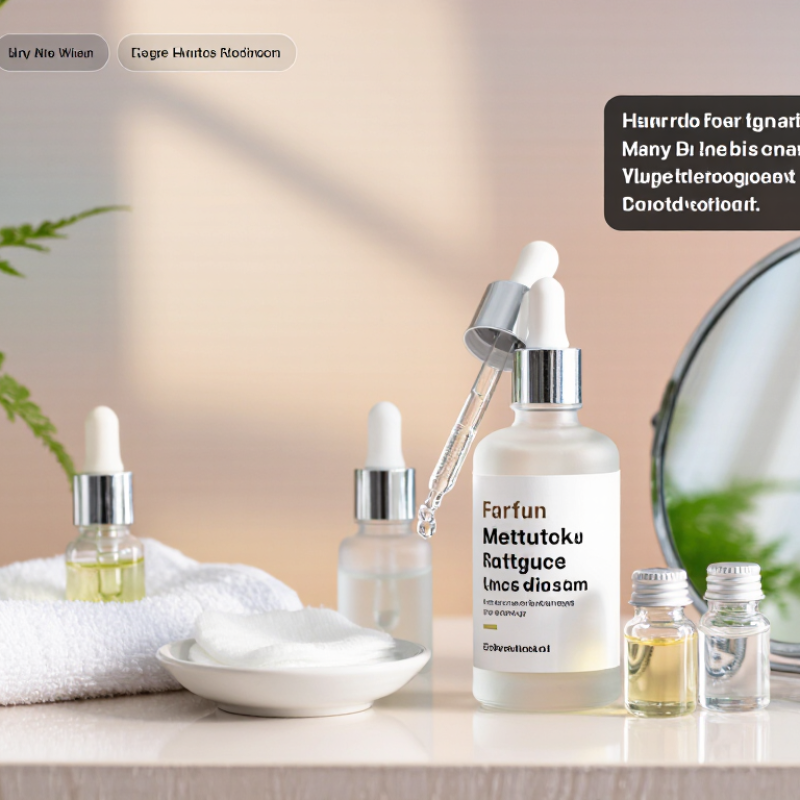
Can I Use Facial Serum Every Day Top 10 Tips?

How Facial Serums Work and Whether Daily Use Is Safe

Facial serums deliver concentrated ingredients in lightweight formulas. Their smaller feel can make them easy to layer, but it does not mean they work instantly or suit every skin type. Hydrating ingredients, such as glycerin, help attract water to the skin. Other formulas use ingredients that support a more even-looking tone or soften the appearance of fine lines. The effect depends on the ingredient, its concentration, and consistent use.

Daily use can be safe when the product is designed for regular use and your skin tolerates it. Check the directions rather than assuming every serum belongs in a daily routine. Products with exfoliating acids or retinoids may cause dryness or irritation, especially when introduced too often. Start with a small amount on a limited area, then use it less frequently at first if the label allows. Not always. A brief patch test can help, though it cannot guarantee you will avoid a reaction.

Apply serum to clean skin, then follow with moisturizer; use sunscreen during the day, particularly when using ingredients that can increase sun sensitivity. If your cheeks sting, feel tight, or develop persistent redness, pause the serum and simplify your routine. More layers are not automatically better. Skin can be unpredictable, and even a careful routine may need adjusting. Seek advice from a qualified dermatologist for ongoing irritation or if you have a skin condition.

How to Choose a Serum for Your Skin Type and Concerns

A serum should match your skin’s needs, not a trend. For dry skin, look for humectants such as glycerin or hyaluronic acid; they help attract water. If your skin feels oily or acne-prone, a light, fragrance-free formula may feel more comfortable. For uneven tone, vitamin C is a common option. Retinoids may help with fine lines, but can cause dryness and irritation, so introduce them cautiously.

Sensitive skin needs extra patience. A 2019 review in the Journal of the European Academy of Dermatology and Venereology reported that sensitive skin is common, though estimates vary by study and population. Keep it simple. Choose one main active ingredient, then watch for stinging, redness, or tightness.

The American Academy of Dermatology advises testing a new product on a small area twice daily for 7–10 days before wider use. That small step can prevent an unpleasant surprise.

Daily use depends on the formula and your tolerance, not just the label. Start with a few applications each week if the serum contains exfoliating acids or retinoids. Apply it to clean, dry skin, and use moisturizer afterward if needed. Sunscreen matters during the day, especially when using ingredients that may increase sun sensitivity. Even a sensible routine can need adjusting; skin changes with weather, medication, and stress.

How to Patch-Test and Introduce a Serum Gradually

A new facial serum can feel harmless, but concentrated ingredients may irritate skin. Patch-test it before adding it to your routine. The American Academy of Dermatology recommends applying a small amount to a test area twice daily for seven to ten days. Try the inner forearm or elbow crease, and follow the product label. Keep the spot dry between applications. A little redness, itching, swelling, or burning means stop; rinse the area and do not use the serum on your face. A patch test lowers guesswork, but it cannot guarantee that facial skin will react the same way.

If the test area stays calm, introduce the serum gradually. Apply it to clean, dry skin two or three evenings a week, then increase only if your skin tolerates it. Use a pea-sized amount for the face, avoiding eyelids and irritated patches. Don’t start several new active products together; otherwise, it becomes hard to identify the cause of a reaction. Check the label for specific directions, since formulas differ. Mild tingling is not proof that a serum is working. I still find this easy to forget: more product does not mean faster results. Pause use if irritation persists, and seek advice from a dermatologist for a strong or ongoing reaction.

Can I Use Facial Serum Every Day? Top 10 Tips

Patch-test a new serum on a small area twice daily for 7–10 days before applying it more widely. The chart shows the recommended test frequency across the full 10-day period.

Apply the serum only to the test spot and follow its label. If redness, itching, swelling, or burning develops, stop using it. Once the test is complete without a reaction, introduce the serum gradually; daily use depends on the product and your skin’s tolerance.

How to Apply Serum and Combine It with Other Products

Apply serum after cleansing, while skin is slightly damp unless its instructions say otherwise. Use two or three drops, then gently press them over your face and neck. Avoid rubbing hard, especially around the eyes. Let the layer settle for a minute. More product is not always better. Follow with moisturizer to reduce water loss, then use broad-spectrum sunscreen in the morning. Sunscreen goes last in your daytime skincare routine.

When layering products, apply lighter, watery formulas before thicker creams. If you use several serums, introduce one at a time and watch for persistent stinging, redness, or peeling. Ingredients such as retinoids and exfoliating acids may irritate skin when combined, so consider using them on separate nights. A patch test on a small area can help, though it cannot guarantee your whole face will tolerate a product. I used to assume a neat routine meant using every step daily; that idea deserves a rethink. Keep the routine simple while you learn what your skin accepts. If irritation continues, stop the suspected product and ask a qualified healthcare professional for advice.

Can I Use Facial Serum Every Day? Top 10 Tips for Applying Serum and Combining It with Other Products

No. Tip How to Apply or Combine Frequency and Notes
1 Check whether daily use suits the formula Follow the product directions. Hydrating serums are often suitable for daily use, while formulas with retinoids or exfoliating acids may need a slower schedule. Use according to the label and your skin’s tolerance. Daily use is not right for every serum.
2 Start with clean skin Cleanse gently, then apply serum with clean hands. If you use toner, apply it before the serum unless its directions say otherwise. Use in the morning, evening, or both if the formula’s directions allow.
3 Apply products from thinner to thicker As a general guide, apply a water-light serum before a thicker cream or facial oil. Finish with moisturizer to help reduce water loss. Product textures and instructions can vary, so follow the label when it gives a specific order.
4 Use a small amount Spread a thin, even layer over the face, avoiding the eyes and any areas the product label says to avoid. More product does not necessarily improve results. Use the amount directed on the packaging; many serums require only a few drops.
5 Choose wet or dry skin based on the ingredient Hydrating ingredients such as hyaluronic acid are commonly applied to slightly damp skin and followed with moisturizer. Retinoids and exfoliating acids are often applied to dry skin to help limit irritation. Check the product directions, especially if your skin is sensitive.
6 Introduce active ingredients gradually For a serum containing a retinoid or exfoliating acid, begin with less frequent use and avoid adding several new active products at the same time. Increase use only if your skin tolerates it. Pause if you develop persistent burning, redness, or irritation.
7 Be cautious when layering strong actives Using a retinoid and an exfoliating acid in the same routine may irritate some skin. Consider using them on separate nights rather than layering them together. The best routine depends on the formulas and your skin. Ask a dermatologist if you are unsure.
8 Pair serum with moisturizer After the serum has spread evenly, apply a moisturizer suited to your skin. This can help support the skin barrier and reduce dryness. Use moisturizer after serum in the morning and evening as needed.
9 Wear sunscreen during the day In the morning, finish with a broad-spectrum sunscreen with SPF 30 or higher. Apply it as directed and reapply when needed, especially outdoors. Daily sun protection is particularly important when using products that can increase sensitivity to sunlight.
10 Patch test and watch your skin Test a new serum on a small area first, following the product instructions. Stop using it if you experience a reaction, and seek professional advice for severe or ongoing symptoms. Introduce one new product at a time so it is easier to identify what your skin tolerates.

How to Adjust Use for Irritation, Ingredients, and Sun Exposure

Can I use facial serum every day? Sometimes, but the answer depends on the formula and your skin. A hydrating serum may suit daily use, while exfoliating acids or retinoids can cause dryness, redness, or stinging when used too often. Check the label and begin with a small amount on alternate days. Keep the rest of your routine gentle. A fragrance-free moisturizer can help reduce tightness. Less is often enough. If irritation appears, pause the serum rather than pushing through it. Persistent burning, swelling, or a rash deserves advice from a qualified health professional.

Pay close attention to ingredients and sunlight. Some exfoliating acids can make skin more sensitive to the sun, and retinoids may irritate skin, especially when you are starting out. Use them at night if the directions recommend it, and avoid combining several strong active ingredients until you know how your skin responds. In the morning, apply broad-spectrum SPF 30 or higher, then reapply as directed, especially after sweating or swimming. A serum does not replace sunscreen. I may be cautious here, but adding one new product at a time makes it easier to spot what caused a reaction. Keep notes for a week or two; a small patch test can help, though it cannot guarantee your whole face will react the same way.

FAQS

What does a facial serum do?

Serums contain concentrated ingredients in lightweight formulas. Glycerin helps attract water to the skin. Other ingredients may support an even-looking tone or soften fine lines. Results depend on the formula and consistent use.

Is it safe to use a serum every day?

Sometimes. Check the product directions and consider your skin’s tolerance. Hydrating formulas may suit daily use, while exfoliating acids or retinoids can cause dryness or irritation. Start slowly.

How should I patch-test a new serum?

Apply a small amount to your inner forearm or elbow crease twice daily for seven to ten days. Keep the area dry between applications. Stop and rinse if you notice redness, itching, swelling, or burning. A patch test helps, but cannot predict every facial reaction.

How often should I use a serum when starting?

If the patch-test area stays calm, try the serum on clean, dry skin two or three evenings a week. Increase use only if your skin tolerates it. Check the label, since formulas differ.

How much serum should I apply?

A pea-sized amount is generally enough for the face. Avoid your eyelids and irritated patches. More product does not mean faster results. I still need reminding of that.

What should I do if my skin gets irritated?

Pause the serum and simplify your routine. Persistent burning, swelling, a rash, or redness deserves advice from a qualified health professional. Don’t push through it.

Can I combine a serum with other active ingredients?

Avoid starting several strong active products at once. Adding one new product at a time makes reactions easier to trace. Keep notes for a week or two; it’s a small step, but easy to skip.

Do I need sunscreen when using a serum?

Some exfoliating acids can increase sun sensitivity, and retinoids may irritate skin. Follow the directions and use broad-spectrum SPF 30 or higher in the morning. Reapply as directed, especially after sweating or swimming. Serum is not sunscreen.

Conclusion

Facial serums can often be used every day, but the right frequency depends on the formula, your skin type, and how your skin responds. If you’re wondering, “can i use facial serum every day,” start by choosing a serum that suits your needs, such as hydration, uneven tone, or signs of aging. Check its ingredients, and patch-test a small area before applying it to your face. Introduce it gradually, beginning a few times a week and increasing use only if your skin remains comfortable.

Apply a small amount to clean skin and follow with moisturizer; use products in an order that feels gentle and works well for your routine. Be cautious when combining active ingredients, since layering too many at once may cause dryness or irritation. If you notice persistent redness, stinging, or discomfort, reduce use or stop and reassess. Some ingredients can increase sensitivity to sunlight, so use sun protection during the day and adjust your routine based on your skin’s needs.

Liam

Liam

Liam is a dedicated marketing professional with a profound expertise in the industry, where he excels at highlighting the unique advantages of our core products. With a keen understanding of market trends and consumer needs, Liam frequently updates our company’s professional blog, providing......