How to Achieve Healthier Looking Skin 2026 Best Tips

Time:2026-10-07 Author:Amelia
0%

How to achieve healthier looking skin is not about chasing flawless images or buying every new product. It is about building practical habits that protect your skin barrier, reduce irritation, and support long-term health. In 2026, the best tips remain surprisingly simple: apply broad-spectrum sunscreen, cleanse gently, moisturize consistently, and notice how your skin responds.

Dermatologist Dr. Howard Murad has often said, “Healthy skin is a reflection of overall wellness.” That perspective matters. Skin can show dehydration, poor sleep, stress, or excessive sun exposure. A dry cheek after a cold commute tells a clearer story than a filtered photograph. Small changes can help, but they rarely work overnight.

This guide explores how to achieve healthier looking skin through evidence-informed care and realistic daily choices. It considers sunscreen reapplication, ingredient selection, nutrition, sleep, and professional advice when symptoms persist. Retinoids, vitamin C, and exfoliating acids may help some people, yet stronger is not always better. I have also learned that consistency can be harder than choosing a product. Sometimes, the routine fails because it is too complicated.

There is no universal skin formula. Sensitive skin may need fewer products. Darker skin tones may face different concerns, including post-inflammatory hyperpigmentation. Persistent redness, painful acne, sudden changes, or unusual marks deserve evaluation by a qualified dermatologist. Healthy-looking skin is not perfect skin. It is comfortable, resilient, and cared for with patience.
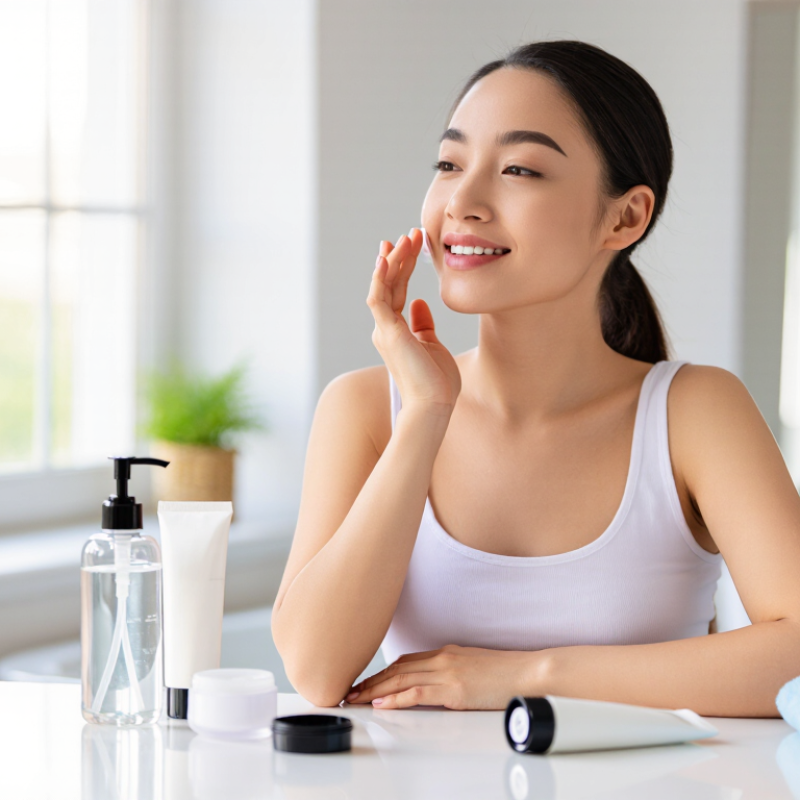
How to Achieve Healthier Looking Skin 2026 Best Tips

Understanding the Foundations of Healthier-Looking Skin

How to Achieve Healthier Looking Skin 2026 Best Tips

Understanding the Foundations of Healthier-Looking Skin

Healthier-looking skin begins with a stable skin barrier, not an overloaded routine. The barrier helps reduce moisture loss and protects against daily irritants. Cleanse gently with lukewarm water, especially after sweating. Very hot water can leave skin tight and uncomfortable. Apply a plain moisturizer while the skin is slightly damp. Consistent sun protection also matters, even on cloudy days. Choose broad-spectrum protection and reapply during prolonged outdoor exposure.

Pay attention to your skin’s signals. Redness, stinging, flaking, or sudden breakouts may indicate irritation. I once scrubbed rough areas too often, believing smoother skin required more effort. It only made the discomfort worse. Now, I introduce one new product at a time and test it on a small area first. This approach is slower, but it makes reactions easier to understand. Sleep, balanced meals, hydration, and stress management can support skin health, although they cannot replace appropriate care.

Be realistic about results. Skin texture rarely changes overnight. A dermatologist can assess persistent acne, painful inflammation, unusual moles, or symptoms that do not improve. Professional guidance becomes especially important when using strong exfoliating or prescription ingredients. Keep a simple record of changes, including weather, products, and irritation. Some days, my skin still looks uneven. That is normal. Healthy-looking skin can include pores, fine lines, and occasional blemishes.

Building a Daily Cleansing and Moisturizing Routine

Healthier-looking skin often begins with a simple daily cleansing and moisturizing routine. Wash your face with lukewarm water and a gentle, fragrance-free cleanser. Use clean fingertips, not a rough cloth, and massage lightly for about 30 seconds. Morning and evening cleansing can remove sweat, excess oil, and environmental particles without aggressive scrubbing. Hot water may feel satisfying, but it can leave skin tight and uncomfortable.

Tips: Pat your face dry. Do not rub. Apply moisturizer while skin is slightly damp. Choose a lightweight formula for oily skin and a richer one for dry areas. If your skin feels stinging, burning, or unusually tight, reduce cleansing frequency and check the ingredients. A patch test on the jawline can prevent an unpleasant surprise. I once assumed more foam meant better cleaning, but that habit made my skin feel drier.

Consistency matters more than a crowded bathroom shelf. Apply moisturizer after cleansing, including around the neck, while avoiding direct contact with the eyes. During the day, use broad-spectrum sunscreen and reapply as directed, especially outdoors. Skin needs time to adjust, so change one product at a time. Persistent redness, painful breakouts, scaling, or itching deserves advice from a qualified dermatologist. Even a careful routine may not solve every concern.

How to Achieve Healthier Looking Skin in 2026: Best Tips for Building a Daily Cleansing and Moisturizing Routine
Routine Step Recommended Timing Main Purpose What to Look For How to Apply Key Practical Tip
Morning cleanse Once each morning Remove overnight sweat, excess oil, and residue from nighttime products. A gentle, fragrance-free cleanser with a creamy or low-foaming texture. Use lukewarm water, massage lightly with fingertips, and rinse without scrubbing. Very dry or sensitive skin may need only a water rinse in the morning if cleansing causes tightness.
Evening cleanse Once each evening Remove sunscreen, makeup, pollutants, sweat, and daily buildup. A cleanser suited to the skin’s oil level and sensitivity; avoid harsh detergents when possible. Cleanse for about 20–30 seconds, rinse thoroughly, and pat dry with a clean towel. Over-cleansing can increase dryness and irritation, so more washing is not automatically better.
First cleanse when needed Evening only, as needed Loosen water-resistant sunscreen or makeup before the regular cleanser. A gentle cleansing oil, balm, or micellar product that can be rinsed or removed comfortably. Apply according to the product directions, then follow with a mild water-based cleanser if residue remains. Use a two-step cleanse only when necessary; avoid repeated rubbing around the eyes.
Moisturizer After every cleanse Reduce water loss and support the skin barrier. Humectants such as glycerin, emollients such as ceramides, and occlusives such as petrolatum. Apply a thin, even layer while the skin is slightly damp. Choose a lighter lotion or gel for oily skin and a richer cream or ointment for dry skin.
Daytime sun protection Every morning; reapply outdoors Help reduce sunburn and cumulative ultraviolet exposure that contributes to premature skin aging. A broad-spectrum sunscreen labeled SPF 30 or higher. Apply as the final morning skin-care step before makeup; cover commonly missed areas such as ears and neck. Reapply about every two hours during outdoor exposure and after swimming or heavy sweating.
Exfoliation Optional; begin once weekly Help loosen accumulated surface cells and improve skin smoothness. A mild chemical exfoliant may be less abrasive than a rough physical scrub. Use on clean, dry skin according to directions, then moisturize. Stop if burning, persistent redness, cracking, or increased sensitivity occurs; do not exfoliate irritated skin.
Routine adjustment Review every 2–4 weeks Keep the routine appropriate as weather, age, hormones, and skin condition change. Changes in tightness, flaking, oiliness, redness, itching, or breakouts. Change one product or habit at a time and observe the skin before adding another change. Patch-test new products on a small area when possible, especially if the skin is reactive.

General guidance: skin-care needs vary. Persistent rash, pain, swelling, severe acne, or worsening irritation should be assessed by a qualified medical professional.

Protecting Skin from Sun Exposure and Environmental Stress

How to Achieve Healthier Looking Skin 2026 Best Tips

Protecting skin from sunlight and environmental stress begins with consistent daily habits.

I used to apply sunscreen only on bright beach days, but ultraviolet exposure also reaches skin during commuting and outdoor errands. Choose broad-spectrum SPF 30 or higher, and apply it generously to the face, ears, neck, and hands. Reapply about every two hours outdoors, especially after sweating or swimming. A hat, sunglasses, and tightly woven clothing provide useful extra protection.

Environmental stress can come from traffic pollution, smoke, dry air, wind, and sudden temperature changes. Cleanse gently after outdoor activities, but avoid harsh scrubbing. A simple moisturizer can support the skin barrier when air feels dry or tight. Products containing vitamin C or niacinamide may help some people, although results vary. Patch-test new products first. My routine is not perfect; I sometimes forget my neck and reapply too late.

Practical tips:

Keep sunscreen beside your toothbrush. Carry a small hat near the door. Rinse your face after heavy outdoor exposure. Replace sweaty clothing promptly. Avoid tanning beds. If redness, itching, unusual dark spots, or a changing mole persists, consult a qualified dermatologist. Skin reacts differently, so advice from a professional matters more than chasing every online trend.

Supporting Skin Health Through Nutrition, Sleep, and Hydration

How to Achieve Healthier Looking Skin in 2026

Healthy-looking skin often reflects everyday habits, not expensive routines. Nutrition provides building blocks for repair, including protein, vitamin C, zinc, and healthy fats. Add colorful vegetables, beans, eggs, fish, nuts, and whole grains to regular meals. Citrus, berries, and peppers can support collagen production. Skin needs water, too. Sip regularly, especially after exercise or in dry weather. Pale-yellow urine can offer a practical hydration clue, though it is not a perfect test.

Tips: Keep a water bottle nearby, but avoid forcing excessive fluids. Pair each meal with produce and a protein source. A simple breakfast might include yogurt, oats, berries, and seeds. Small changes matter.

Sleep supports the body’s overnight repair processes. Aim for a consistent schedule and a cool, dark bedroom. Seven to nine hours suits many adults, but individual needs vary. I often notice duller skin after several short nights, although stress, hormones, and allergies can also affect appearance. That is why personal observation matters. If persistent dryness, rashes, or sudden changes occur, consult a qualified dermatologist. Supplements can sound appealing, yet they may interact with medicines or provide little benefit without a deficiency. Professional guidance is safer.

How to Achieve Healthier-Looking Skin in 2026

Evidence-based daily reference points for supporting skin health through nutrition, sleep, and hydration.

These reference amounts are general adult guidelines: 7–9 hours of sleep per night, approximately 2.7 L of total water daily for women and 3.7 L for men, and at least 400 g of fruits and vegetables per day. Total water includes fluids from beverages and food, and individual needs vary by body size, activity, climate, pregnancy, and health status.

Choosing Treatments for Common Skin Concerns Safely

How to Achieve Healthier Looking Skin 2026 Best Tips

Choosing a treatment safely begins with identifying the concern, not copying online routines. Acne, irritation, rosacea, and dark spots can look similar. They often need different care. The American Academy of Dermatology reports that acne affects up to 50 million Americans each year. Meanwhile, the World Health Organization estimates that nearly 1.8 billion people live with a skin condition at any time. Common does not mean simple. A dermatologist can assess symptoms, medications, skin tone, and possible allergies before recommending treatment.
For mild acne, professional guidance may support ingredients such as benzoyl peroxide or topical retinoids. Retinoids require special caution during pregnancy. Dark marks often need daily broad-spectrum sunscreen with SPF 30 or higher.
Rosacea-prone skin may react badly to fragrance, scrubs, or strong acids. Patch-test one product on a small area twice daily for seven to ten days, as the American Academy of Dermatology advises. Do not test several new products together. That makes reactions difficult to identify.

Start slowly.

Use a pea-sized amount at night. Persistent burning, swelling, blistering, or eye irritation needs medical attention. Improvement may take six to eight weeks, according to dermatology guidance.

I still find skin unpredictable, especially when stress or weather changes. That is an important limitation.

A treatment that worked last year may now irritate your skin. Record the product, frequency, and reaction beside a bathroom mirror.

FAQS

Why should I protect my skin on cloudy or ordinary days?

Ultraviolet exposure can reach skin during commuting, errands, and other outdoor activities. Bright beach days are not the only concern.

How should sunscreen be applied?

Choose broad-spectrum SPF 30 or higher. Apply it generously to your face, ears, neck, and hands. Reapply about every two hours outdoors.

What extra protection can clothing provide?

A wide-brimmed hat, sunglasses, and tightly woven clothing can reduce direct exposure. Keep a hat near the door. Small habits help.

How can I reduce environmental stress after being outside?

Cleanse gently after heavy exposure to pollution, smoke, wind, or dry air. Avoid harsh scrubbing. Rinse your face when it feels coated or uncomfortable.

What can support the skin barrier in dry weather?

Use a simple moisturizer when your skin feels tight or dry. Products with vitamin C or niacinamide may help some people. Results vary.

Which foods support healthier-looking skin?

Include colorful vegetables, beans, eggs, fish, nuts, and whole grains. Pair meals with produce and protein. A practical breakfast could include oats, yogurt, berries, and seeds.

How much water and sleep does skin need?

Sip water regularly, especially after exercise or in dry weather. Seven to nine hours of sleep suits many adults, but needs differ. Sleep matters.

When should I seek professional advice?

Consult a qualified dermatologist if redness, itching, persistent dryness, unusual dark spots, or a changing mole continues. Supplements may interact with medicines or offer little benefit without a deficiency. I sometimes notice duller skin after poor sleep, but personal observation is not a diagnosis.

Conclusion

Learning how to achieve healthier looking skin begins with understanding that consistency matters more than complicated routines. Gentle cleansing removes excess oil, sweat, and pollutants without stripping the skin, while regular moisturizing helps support its natural protective barrier. Daily sun protection is also essential, as ultraviolet exposure and environmental stress can contribute to dryness, uneven tone, and premature visible aging. A simple routine, adapted to individual skin needs, can provide a strong foundation for long-term skin comfort and appearance.

Healthy skin is also influenced by lifestyle choices. A balanced diet, sufficient water intake, quality sleep, and effective stress management can support the body’s natural renewal processes. For concerns such as occasional blemishes, sensitivity, or uneven texture, treatments should be introduced carefully, one at a time, and stopped if irritation occurs. When a concern is persistent, painful, or worsening, consulting a qualified healthcare professional is the safest approach.

Amelia

Amelia

Amelia is a seasoned marketing professional with a wealth of expertise in our company’s core offerings. With an unwavering passion for driving growth and innovation, she plays a pivotal role in shaping our marketing strategies and enhancing brand visibility. A key aspect of her responsibilities......