China has become a notable source of innovative skincare formulas, especially those designed to support dry, tight, or dehydrated skin. But “best” depends on skin type, climate, formulation, and tolerance. A lightweight serum may feel comfortable in humid Guangzhou, while richer cream may suit a cold northern winter.
So, what skincare ingredients help with hydration? Reliable options include glycerin, hyaluronic acid, panthenol, beta-glucan, and sodium PCA. These humectants attract water and can improve the skin’s soft, supple feel. Tremella mushroom extract also appears in many Chinese-inspired formulas. Its moisturizing potential is promising, although marketing language can sometimes move faster than strong clinical evidence. Look closely.
Effective hydration usually needs more than one ingredient. Ceramides, squalane, and fatty acids help reduce water loss by supporting the skin barrier. Ingredients such as ectoin and amino acids may provide additional comfort, particularly when skin feels rough after cleansing. A product label matters. So does the full formula.
Dermatology guidance supports gentle cleansing, regular moisturizer use, and daily sunscreen. Patch testing remains sensible, even with botanical ingredients. Fragrance can irritate sensitive skin. I have to admit that ingredient lists do not tell the whole story; concentration, packaging, and personal response also matter. This guide compares widely used Chinese skincare ingredients with practical evidence, realistic expectations, and clear selection tips. Hydration is not a miracle claim. It is a routine.
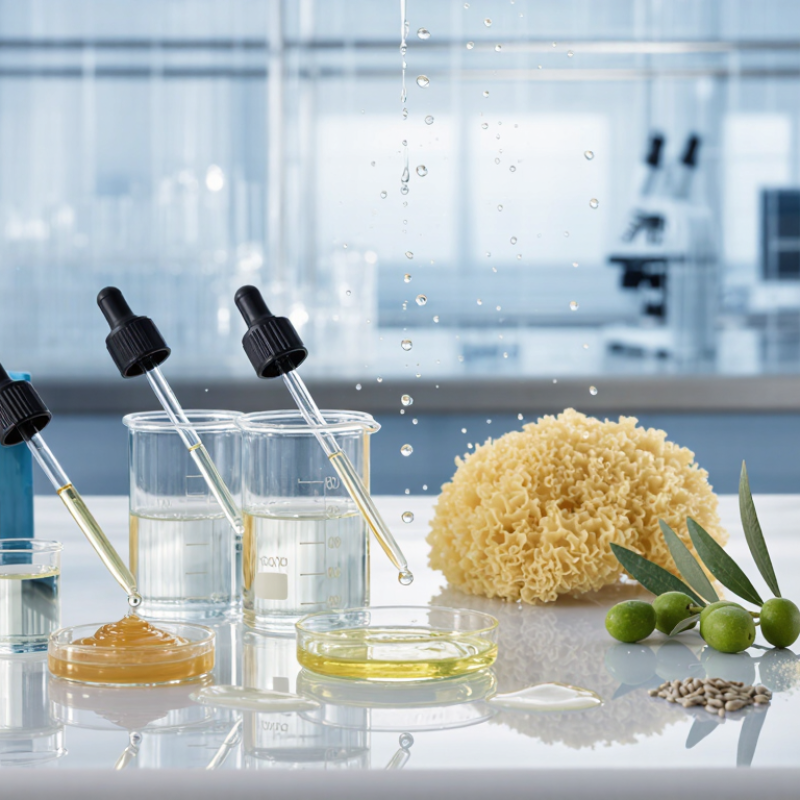
What makes a skincare ingredient hydrating? It must help skin gain, hold, or redistribute water. Humectants such as glycerin, betaine, and hyaluronic acid attract water into the outer skin layer. A well-formulated product may feel like a cool, light film after application. That feeling alone is not proof. Real hydration involves improved water content and reduced moisture loss.
Emollients support hydration differently. They fill tiny spaces between rough skin cells, making the surface feel smoother. Occlusive ingredients form a protective layer that slows transepidermal water loss. Ingredients such as squalane, plant oils, and petrolatum can perform this role. The best choice depends on skin condition, climate, and the complete formula. Dry winter air may require more barrier support than humid weather.
A common mistake is searching for one universal “best” ingredient. There is no perfect answer. In Chinese skincare formulations, several hydrating agents may work together, but concentration and compatibility still matter. Sensitive skin may react to fragrance, preservatives, or an overly heavy texture. Patch testing is sensible, especially when the skin barrier feels tight, stings, or flakes. Look for reliable testing, clear ingredient labeling, and evidence beyond a temporary silky finish. Hydration should feel comfortable, not dramatic.
A practical comparison of widely used hydrating ingredients and the ways they help improve skin moisture.
| Ingredient | Ingredient Type | Primary Hydration Mechanism | Typical Use Level in Skincare | Best-Suited Skin Concerns | Texture and Skin Feel | Formulation Notes | Hydration Potential |
|---|---|---|---|---|---|---|---|
| Glycerin INCI: Glycerin |
Humectant | Attracts and binds water in the outer layer of the skin, helping increase stratum corneum water content. | Approximately 1–20%, depending on the product type. | Dryness, dehydration, tightness, and rough texture. | Clear, water-soluble, and usually slightly tacky at higher levels. | Excellent | |
| Hyaluronic Acid INCI: Sodium Hyaluronate / Hyaluronic Acid |
Humectant | Forms a water-binding film on the skin; molecular weight influences its surface feel and penetration profile. | Often approximately 0.01–2%, depending on molecular weight and format. | Dehydrated skin, fine dehydration lines, and loss of surface suppleness. | Can provide a smooth, cushiony or slightly film-forming feel. | Excellent | |
| Betaine INCI: Betaine |
Humectant / Osmolyte | Helps maintain cellular water balance and can reduce the drying feel associated with surfactants. | Approximately 1–10% in many leave-on or rinse-off formulas. | Sensitive, dry, tight-feeling, or cleanser-stressed skin. | Light, non-greasy, and generally comfortable in gel or lotion formulas. | Very Good | |
| Panthenol INCI: Panthenol |
Humectant / Skin Conditioner | Helps attract water and supports a softer, more flexible skin surface. | Approximately 0.5–5%; higher levels may be used in targeted products. | Dryness, sensitivity, roughness, and discomfort caused by a weakened barrier. | Usually lightweight with a smooth, conditioning finish. | Very Good | |
| Urea INCI: Urea |
Humectant / Keratolytic | Acts as a natural moisturizing factor component; lower levels hydrate, while higher levels soften thickened keratin. | Approximately 2–10% for hydration; higher concentrations are used for rough or thickened skin. | Very dry, rough, flaky, or hardened areas. | Water-soluble; may sting compromised skin, especially at higher concentrations. | Excellent | |
| Sodium PCA INCI: Sodium PCA |
Humectant / NMF Component | Supports water retention as a component related to the skin’s natural moisturizing factor. | Approximately 0.2–5%. | Dryness, dehydration, and reduced skin softness. | Light, water-soluble, and generally suitable for fluid products. | Very Good | |
| Amino Acids INCI examples: Glycine, Alanine, Serine |
NMF Components | Help support the skin’s natural moisturizing factor and contribute to water retention in the outer skin layer. | Commonly used individually or in blends at approximately 0.1–5%. | Dehydration, roughness, and skin that feels tight after cleansing. | Usually light and non-greasy; blends can improve a formula’s sensory profile. | Good | |
| Ceramides INCI examples: Ceramide NP, Ceramide AP, Ceramide EOP |
Barrier-Supporting Lipid | Help replenish intercellular lipids and reduce transepidermal water loss by supporting the skin barrier. | Often used at low levels, commonly below 1%, depending on the ceramide system. | Dryness, flaking, sensitivity, and moisture loss associated with barrier disruption. | Rich or creamy depending on the surrounding emulsion; effective formulas require appropriate lipid systems. | Excellent for Barrier Support | |
| Squalane INCI: Squalane |
Emollient / Occlusive Support | Softens the skin and helps reduce water loss by forming a lightweight protective lipid layer. | Approximately 1–20%. | Dryness, roughness, and moisture loss requiring a smoother finish. | Silky, lightweight, and less greasy than many traditional oils. | Very Good for Water-Loss Control | |
| Petrolatum INCI: Petrolatum |
Occlusive | Creates a highly effective barrier that substantially reduces transepidermal water loss from the skin surface. | Approximately 2–100%, depending on whether it is used in a lotion, balm, or ointment. | Severe dryness, chapping, and compromised barrier conditions. | Very protective and occlusive; can feel heavy or greasy for some users. | Excellent for Water-Loss Control | |
| Colloidal Oatmeal INCI: Avena Sativa (Oat) Kernel Flour |
Protective / Skin Conditioner | Forms a protective layer and contains components that help support moisture retention and skin comfort. | Often approximately 0.5–5%, subject to local regulatory requirements and product format. | Dry, itchy, sensitive, or irritated-feeling skin. | Can add a soft, soothing, slightly powdery feel to creams and lotions. | Good | |
| Aloe Vera INCI: Aloe Barbadensis Leaf Juice |
Water-Based Humectant Support | Provides a water-rich base and contains polysaccharides that can contribute to a light moisturizing film. | Highly variable; commonly used in water-based formulas from approximately 1–50% or more. | Light dehydration, temporary tightness, and products designed for a fresh skin feel. | Cooling and lightweight; the final hydration depends strongly on the complete formula. | Good |
How to identify a truly hydrating formula: Effective hydration usually combines humectants to attract water, emollients to smooth the skin surface, and occlusive or barrier-supporting ingredients to reduce water loss. Ingredient performance can vary with concentration, molecular weight, formulation design, climate, cleansing habits, and individual skin condition.
Hyaluronic acid attracts water through different molecular sizes. Glycerin supports moisture retention and smoother-feeling skin. Panthenol and beta-glucan may reduce tightness after cleansing.
Yes, glycerin is dependable, even if it seems less fashionable. It attracts water and helps reduce moisture loss. Pair it with emollients or occlusives when air feels dry.
Apply it to slightly damp skin after cleansing. Follow with a cream or emollient layer. This helps slow water evaporation. Timing matters.
Dry skin often needs humectants, emollients, and occlusives together. Glycerin attracts water, while ceramides support the skin barrier. Petrolatum can reduce moisture loss during cold winters.
Lightweight glycerin, panthenol, and low-strength niacinamide may work well. Gel textures often feel more comfortable. “Oil-free” does not always mean deeply hydrating.
Use a richer cream on dry cheeks and a lighter lotion near the nose. Apply less product where skin becomes shiny. Skin zones can behave differently.
Choose fewer ingredients and fragrance-free formulas. Patch test slowly, even with familiar ingredients. Colloidal oatmeal and beta-glucan may feel calming, but tolerance varies.
No. Natural does not automatically mean more effective. Tremella polysaccharides deserve study, but performance depends on concentration and formulation. This assumption needs questioning.
Yes. Humid cities may make heavy occlusives feel uncomfortable. Dry northern air may require richer protection. Indoor heating can also increase tightness.
Try one product for about two weeks before changing everything. Observe tightness, shine, comfort, and irritation. Ingredient lists can mislead. Results are rarely perfect.
Hydrating skincare ingredients help the skin attract, bind, and retain water while supporting a healthy moisture barrier. This article explores what skincare ingredients help with hydration, focusing on traditional and modern ingredients commonly associated with Chinese skincare practices, such as rice-derived components, tremella mushroom, green tea, licorice root, and soothing botanical extracts. Each ingredient offers a different benefit, from improving water retention and reducing dryness to calming irritation and supporting skin comfort.
The guide also explains how to choose hydrating ingredients according to skin type. Lightweight humectants may suit oily or combination skin, while richer barrier-supporting ingredients can benefit dry or sensitive skin. To introduce these ingredients safely, readers are encouraged to patch test, add one product at a time, begin with a simple routine, and use sun protection during the day. This approach helps create a balanced, gentle, and effective hydration-focused skincare routine.

 NeoKis Beauty